Coconut Dreams Embroidery Design Review
When I first opened the Coconut Dreams file, the immediate feeling was one of pure relaxation. It captures that specific "lazy summer" vibe so well that you can almost smell the sunscreen and salt air just by looking at the digital preview. As a designer who has spent years turning digital files into tangible, stitched products for clients and my own shop, I know that not every cute graphic translates well to thread. Some designs look great on a screen but fall apart under the needle or on a curved surface. However, this design feels different. It is built with the practical realities of embroidery in mind while still delivering that high-end, boutique aesthetic that customers love.
The Mood and Visual Personality
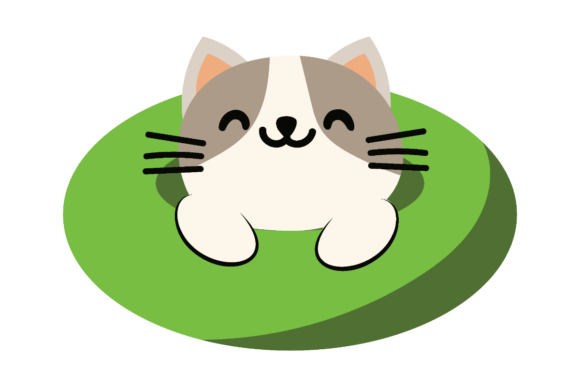
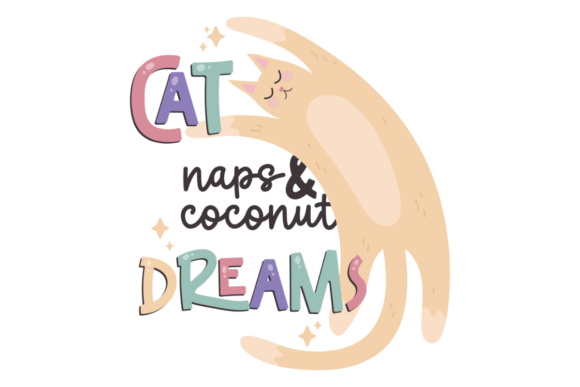
The core of Coconut Dreams lies in its subject: a stretching pastel cat paired with colorful tropical text. This isn't just a random image; it tells a story. The pose of the cat suggests comfort, laziness, and contentment, which makes it an incredibly versatile asset for various product lines. From a visual standpoint, the layout balances the organic shape of the feline with the structured flow of the lettering. For a handmade product, this balance is crucial because it prevents the design from looking cluttered or too sparse on the final item.
The color palette is another strong point. Pastels are notoriously tricky in machine embroidery because they can sometimes get lost against light fabrics or appear muddy if the thread density is too high. Here, the pastel tones are likely intended to pop against white or cream backgrounds, creating a soft, inviting look that works perfectly for nursery decor, baby clothes, or summer apparel. The tropical text adds a necessary punch of energy, ensuring the design doesn't feel too sleepy. It strikes a perfect chord between a cozy home vibe and a fun vacation aesthetic.
Real-World Application: The Tote Bag Scenario
To truly understand how this design performs, let's imagine a real-life scenario. Suppose you are an Etsy seller preparing for the upcoming beach season. You need a standout item for your shop—a custom embroidered tote bag that screams "summer vibes." You decide to use Coconut Dreams as the centerpiece. You select a sturdy canvas tote in a natural beige color. When you place the design on the front panel, the contrast is immediately pleasing.
The stretching cat becomes the focal point, drawing the eye with its relaxed posture. Because the design features a mix of shapes, it fills the space well without overwhelming the bag. If you were to stitch this on a sweatshirt instead, the mood would shift slightly to something more casual and streetwear-friendly. On a baby onesie, it transforms into a sweet, personalized gift. The versatility here is what separates a good digital asset from a great one. It adapts to the context of the finished product, whether it is a functional kitchen towel, a decorative pillow cover, or a patch for a denim jacket.
Performance Across Different Fabrics and Products
In my experience evaluating machine embroidery design files, the success of a project often hinges on the interaction between the stitch density and the fabric texture. Coconut Dreams appears to be optimized for medium-density applications, which is ideal for most common craft materials like cotton twill, jersey knits, and canvas. The fill stitches likely provide enough coverage to hide the fabric weave, giving the pastel cat a smooth, professional finish.
For small business owners looking to expand their inventory, this design fits seamlessly into categories like custom apparel, sweatshirt embroidery, and baby embroidery. The text element is particularly useful for brands that want to add a slogan or a location name alongside the graphic. Imagine using this on a set of matching aprons for a bakery or tea towels for a holiday gift set. The tropical theme aligns perfectly with seasonal collections, making it a smart choice for holiday embroidery projects focused on summer events or beach parties.
However, not every surface is suitable. While it looks fantastic on flat items like tote bags and pillow covers, applying it to highly textured fabrics might obscure the details of the cat's stretch. Similarly, thin or stretchy fabrics require careful handling to prevent puckering, which can ruin the clean lines of the tropical text. If you are working with dark fabrics, the pastel colors will need to be carefully selected or layered over a stabilizer base to ensure they remain vibrant and visible.
Where Caution Is Required
There are specific scenarios where Coconut Dreams requires extra attention before you hit the start button on your machine. First, consider the hoop size. If you attempt to stitch this design on a very small hoop, such as those used for caps or tiny patches, the curvature of the cap might distort the text, making it hard to read. The stretching cat might also lose some of its charm if compressed too tightly on a curved surface.
Additionally, be mindful of the stitch density in detailed corners. Designs with intricate curves can sometimes suffer from thread breaks or bird nesting if the density is too high for the chosen thread weight. If you are planning to wash these items frequently, like kitchen towels or children's clothing, ensure that the design is anchored properly with a good quality stabilizer. Without adequate support, the repetitive motion of washing could cause the edges of the design to fray or the threads to pull out over time.
Design Notes for Professional Results
Before committing this design to a commercial product or a client order, there are several practical steps every designer should take. Start by testing the embroidery file on scrap fabric that matches your final material. This allows you to see how the thread colors interact with the specific dye lot of your fabric. A pastel yellow might look completely different on a warm white cotton versus a cool off-white linen.
Review the stitch density closely. If the design includes areas of heavy fill, consider reducing the density slightly if you are using finer threads to maintain flexibility. Always check the running stitch outlines to ensure they are tight enough to define the shapes but not so tight that they gather the fabric excessively. For a polished look, inspect the small details, especially the paws and facial features of the cat, to ensure they are distinct and not merged together.
It is also wise to create a printable mockup in both black and white. This helps you visualize the value of the design independent of color, ensuring that the composition holds up even if the customer requests a monochrome version. Furthermore, verify the licensing terms. If you intend to sell finished goods featuring Coconut Dreams, confirm that your license covers commercial use. Many digital embroidery files have restrictions on how many units you can produce or whether you can modify the design.
Final Thoughts on Value and Appeal
Ultimately, the value of Coconut Dreams lies in its ability to elevate a simple product into a desirable piece of art. It speaks to a lifestyle of relaxation and joy, which resonates deeply with buyers looking for unique, handmade gifts. Whether you are creating a tote bag design for a beach trip, a personalized gift for a new mother, or a line of craft business merchandise, this design offers a reliable foundation for success.
By paying attention to the nuances of fabric selection, stabilization, and test runs, you can ensure that the finished product reflects the high standards of your brand. It is a reminder that while the digital file is just the beginning, the care taken during the stitching process determines the final perception of your work. With the right approach, Coconut Dreams can become a staple in your collection, bringing a touch of tropical calm to every project it adorns.