Easter Kitty Embroidery Review: A Real-World Test
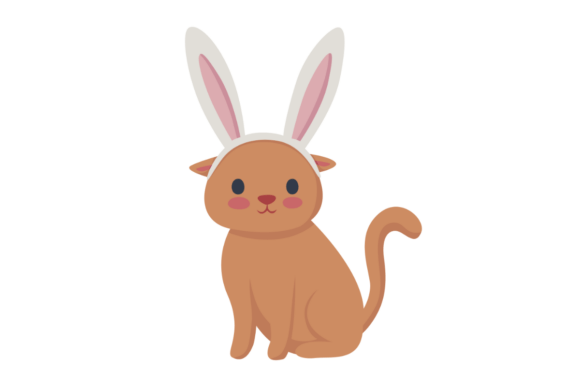
When I first opened the Easter Kitty file, my initial reaction wasn't about the technical specs or the stitch count. It was about the mood. There is a specific energy that comes with holiday designs, and often they feel forced or overly generic. This one feels different. The playful illustration of a brown cat wearing bunny ears immediately suggests a sense of whimsy without crossing into kitsch. For an experienced designer, that balance is everything. It is purrfect for those who want to capture the spirit of spring but need something that doesn't look like it was pulled from a mass-produced template.
I have spent years reviewing embroidery files for commercial use, and I know that a design can look stunning on a screen but fall apart under the needle. My goal today is to walk you through how this Easter Kitty design performs in real-world scenarios, specifically when applied to handmade products for small businesses and crafters. Whether you are an Etsy seller looking for your next best-seller or a hobbyist making personalized gifts, understanding the practical application of a design is crucial before you commit to production.
First Impressions and Design Personality
The layout of Easter Kitty is compact yet expressive. The visual personality shines through the interaction between the feline subject and the seasonal accessory. In the world of digital graphics and machine embroidery, the devil is always in the details. Here, the detail level seems calibrated for standard hoop sizes, offering enough texture to be interesting without becoming so dense that it compromises the fabric's drape. The theme fits naturally into the "Crafts" and "Graphics" categories, but its true value lies in its versatility as a design asset.
Unlike some holiday designs that rely heavily on text, which can be tricky to stitch clearly, this piece relies on shape and character. This makes it incredibly adaptable. It creates a warm, inviting atmosphere that appeals to families, pet lovers, and anyone who appreciates a touch of humor in their decor. When I imagine this stitched out, the contrast between the brown fur tones and the potential pastel accents of the bunny ears offers a rich color palette that works well for various thread choices.
Real-World Application: The Custom Tote Bag Scenario
To truly evaluate this design, let's imagine a specific project. You are preparing inventory for an upcoming Spring Craft Fair. You decide to create custom embroidered tote bags as a high-margin item for your shop. These bags need to be durable, eye-catching, and suitable for a wide audience. Easter Kitty is a strong contender here.
When placed on a natural canvas tote, the design acts as a focal point. The stitching clarity would likely hold up well against the rougher texture of the canvas, provided you use the correct stabilizer. However, if you were to place this on a smooth cotton blend shirt, the look might shift slightly, becoming more delicate. The key question is: does it translate from a digital preview to a physical object? In my experience, designs with clean outlines and moderate fill areas, like this one, tend to reproduce beautifully on tote bags because the fabric provides enough structure to support the stitches.
Consider the customer perspective. A buyer picking up a bag with a cute cat in bunny ears is not just buying a container; they are buying a sentiment. It signals that the brand behind the product understands fun and seasonal trends. This emotional connection drives engagement and trust. If the embroidery looks professional and crisp, the perceived value of the finished product increases significantly, allowing you to price your handmade items with confidence.
Where to Be Cautious: Fabric and Surface Limitations
While Easter Kitty has many strengths, every design has limitations that must be respected to ensure a professional finish. As a designer, I always advise testing on scrap fabric first, especially when working with challenging materials. For instance, textured fabrics like heavy wool or bouclé can obscure the finer details of the cat's face. Similarly, thin or stretchy fabrics require extra care; without proper stabilization, the tension of the stitches could cause puckering, ruining the silhouette of the bunny ears.
Dark fabrics present another consideration. While the design itself might handle dark backgrounds well, the thread colors chosen will dictate the final visibility. You must review thread color contrast carefully before starting a run. If the brown of the cat blends too much with a dark navy background, the design loses its impact. Additionally, curved surfaces like caps or hats can distort the geometry of the image if the digitization does not account for the curvature. If the design includes tiny lettering or intricate decorative accents, these elements are prone to disappearing on smaller hoop sizes or during frequent washing cycles.
If you plan to use this for commercial embroidery projects, such as creating embroidered patches or kitchen towels, pay close attention to the stitch density. High-density areas can make the fabric stiff, which is undesirable for soft apparel but acceptable for rigid items like patches. Always confirm whether the design works for both personal and commercial projects by checking the license terms, as this dictates how you can sell the finished goods.
Practical Designer Notes for Success
To get the most out of this embroidery file, there are several technical steps you should take before running a full production batch. First, inspect small details closely. Sometimes, what looks fine on a monitor can become tangled threads on the machine. Check the stitch density to ensure the fill stitch isn't too heavy, which can lead to fabric distortion.
Use a proper stabilizer that matches your fabric type. For a sweatshirt embroidery project, a cut-away stabilizer is often necessary to maintain shape over time, whereas a tear-away might suffice for a lightweight tea towel. Compare light and dark fabric backgrounds using printable mockups to visualize the final result before cutting any fabric. This step saves money on wasted materials and ensures your finished product meets your quality standards.
Don't forget to test the design in black and white mockups. This helps verify that the composition holds together even if the color contrast is lost, ensuring the shapes remain distinct. If you are an Etsy seller or part of a small shop product line, consistency is key. Ensure that every iteration of Easter Kitty looks identical across all your items, from baby clothes to holiday gifts.
Final Thoughts on Value and Versatility
In conclusion, Easter Kitty stands out as a versatile addition to any designer's library. It bridges the gap between a simple graphic and a complex embroidery project. Its ability to work on custom apparel, nursery decor, and boutique branding makes it a valuable tool for creative entrepreneurs. Whether you are creating a tote bag design for a spring sale or a baby embroidery set for a new arrival, this design brings a professional touch that customers appreciate.
By taking the time to understand its strengths and limitations, you can leverage this design to enhance your brand identity and deliver high-quality handmade products. Just remember to check the specific file formats and licensing agreements before selling digital products or finished items. With careful execution, Easter Kitty can be more than just a seasonal decoration; it can be a signature element of your craft business.