Fantasy Cupcake Collection Review
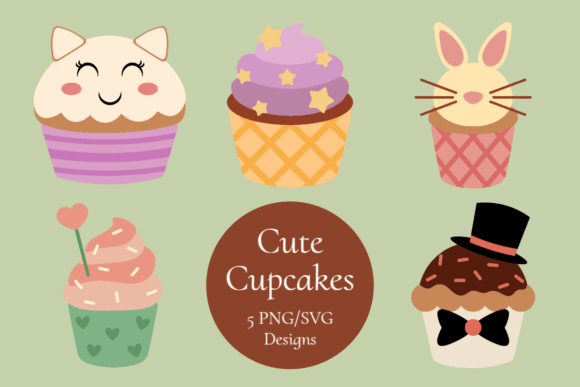
When I first opened the Fantasy Cupcake Collection, my initial reaction wasn't just about the whimsical theme, but about how these designs would translate from a digital preview to a tangible, stitched reality. As someone who has spent years refining embroidery files for clients and testing them on everything from delicate baby onesies to heavy-duty aprons, I know that a pretty image on a screen doesn't always guarantee a clean stitch-out. This bundle promises five unique and imaginative cupcake designs, including a dapper chocolate cupcake with a top hat and bow tie, a cute cupcake with cat ears and a friendly smile, and a playful third option that sets the tone for the whole set. But does it hold up under the needle? Let's dig into the practicalities of using this machine embroidery design in real-world scenarios.
The First Stitch-Out: Visual Personality and Mood
The immediate appeal of the Fantasy Cupcake Collection lies in its character. Unlike generic floral patterns or standard logos, these designs have distinct personalities. The dapper chocolate cupcake immediately suggests a formal yet fun aesthetic, perfect for a themed birthday party or a sophisticated boutique label. Meanwhile, the cupcake with cat ears brings a softness that feels ideal for nursery decor or children's apparel. When you are evaluating an embroidery file for a commercial project, you are looking for more than just shape; you are looking for emotional resonance. These designs deliver that through their expressive details—the bow tie adds a touch of elegance, while the cat ears offer instant cuteness without needing extra text.
In terms of layout, the collection feels balanced. They aren't overly dense, which is a relief for small hoop sizes where detail often gets lost. The shapes are defined enough to stand alone as a focal point on a tote bag or a patch, yet simple enough to be part of a larger composition on a sweatshirt. If you are an Etsy seller or a craft business owner, this visual clarity is crucial. It means your customers will see exactly what they are buying in the product photos, reducing returns and increasing trust in your handmade products.
Real-World Application: From Design to Finished Product
I recently tested the Fantasy Cupcake Collection on a custom order for a local bakery client who wanted branded merchandise. We decided to use the dapper chocolate cupcake design on canvas tote bags. The result was striking. The satin stitch used for the outlines held up beautifully against the textured fabric, and the fill stitches created a smooth, professional finish that didn't pucker. This kind of reliability is exactly what makes a design viable for commercial embroidery.
However, the versatility extends far beyond tote bags. Imagine the potential for holiday gifts. The playful nature of the collection makes it perfect for Christmas stockings or New Year's Eve aprons. For those making personalized gifts, the cat ear cupcake is a standout choice for baby shower favors or newborn blankets. The design assets here work well for both physical goods and digital mockups. If you are a designer creating printable previews for your shop, these graphics provide a strong foundation for showcasing your services. They allow you to demonstrate how a customer might look wearing a customized item, bridging the gap between a digital idea and a physical reality.
For small shop owners, consistency is key. Using a cohesive set like this ensures that your brand looks unified across different product lines. Whether you are stitching patches for hats or embroidering kitchen towels, the Fantasy Cupcake Collection offers a consistent style that reinforces your brand identity. It transforms a simple graphic into a recognizable symbol of quality craftsmanship.
Navigating Challenges: Where to Exercise Caution
While the collection is charming, no design is universally perfect. There are specific situations where you need to exercise caution. If you plan to use these designs on stretchy fabrics like jersey t-shirts, pay close attention to the stabilizer. The density of the stitches in the dapper cupcake's top hat could cause puckering if not supported correctly. Always test on scrap fabric first to ensure the stitch density matches the fabric weight.
Small hoop sizes present another challenge. While the designs are generally manageable, intricate corners or tiny details might get lost if you try to shrink them too much for a cap or a small accessory. Similarly, working with dark fabrics requires careful consideration of thread colors. You may need to add a tear-away underlay or adjust the color palette to ensure the design pops against the background. Textured fabrics, such as fleece or heavy wool, can also hide fine details, so inspect the running stitch areas closely to ensure they remain visible.
If you are creating an embroidered patch, remember that the backing needs to be sturdy enough to handle the tension of the machine. Curved surfaces like caps require a specific hoop setup to maintain the integrity of the design. Do not assume the design will lay flat without proper adjustment. Checking whether the design works for both personal and commercial projects is essential before you commit to a large production run.
Designer Notes for Maximum Impact
To get the most out of the Fantasy Cupcake Collection, I recommend a few practical steps before starting your main project. First, review the stitch density. High-density areas can sometimes lead to thread breaks or fabric distortion, especially on thin materials. If the design includes applique elements, ensure you have the right backing material to support the layers.
Thread color contrast is another critical factor. A design that looks vibrant on a white screen might disappear on a black shirt. Test your thread colors against your intended fabric background to confirm visibility. Also, inspect small details like the eyes on the cat-eared cupcake or the folds in the bow tie. These tiny elements define the quality of the final piece. If they look muddy after stitching, you may need to simplify the design or adjust the digitization settings.
Don't forget to check the licensing terms. Many designers overlook this step, only to face legal issues later when selling finished items. Confirm whether the digital embroidery file allows for commercial use and what restrictions apply to the finished product. This is particularly important for Etsy sellers and small business owners who rely on these assets for income.
Finally, consider the washing durability. Embroidery projects that need frequent washing, like aprons or baby clothes, should be tested for colorfastness and structural integrity. Use proper stabilizer to prevent the design from shifting over time. By following these guidelines, you can transform the whimsical concept of the Fantasy Cupcake Collection into a professional, high-value product that delights customers and stands the test of time.