Funny Happy Halloween Sublimation Design Review
As a designer who spends most of my time troubleshooting stitch density and fabric tension, I approach every new digital asset with a mix of excitement and skepticism. When Funny Happy Halloween Sublimation Design landed on my desk, I didn't just see a PNG file; I saw a potential centerpiece for a holiday collection. However, the leap from a high-resolution digital image to a tangible, stitched product is where many crafters stumble. This review breaks down exactly how this design performs when translated into real-world embroidery projects, specifically for those running small businesses or creating personalized gifts.
The First Impression: Mood and Visual Personality
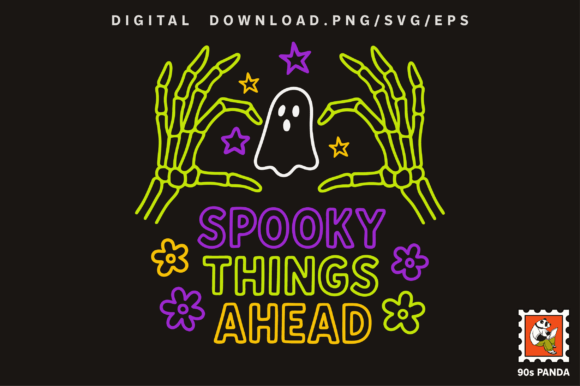
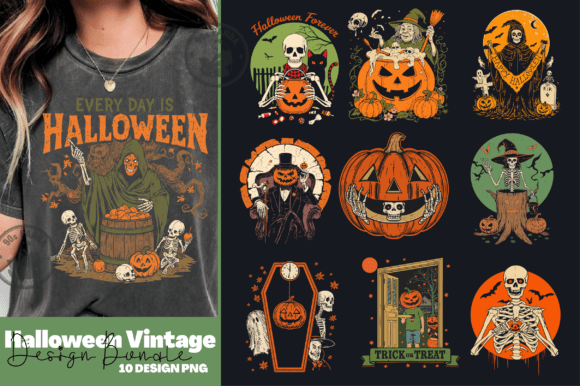
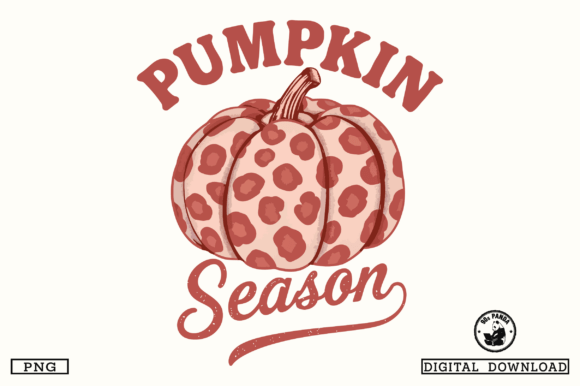
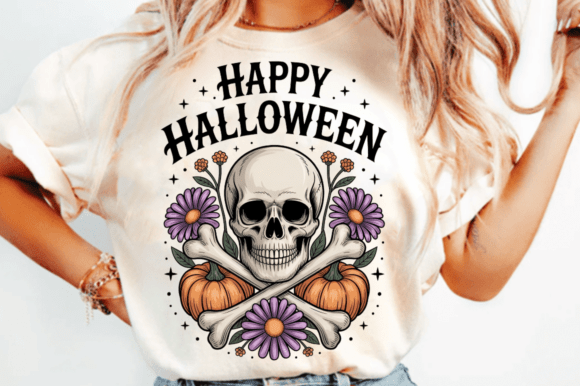
The moment you open the file, the visual personality of Funny Happy Halloween Sublimation Design jumps out. It isn't trying to be spooky or macabre; it leans heavily into the "cute" aesthetic that dominates current craft trends. The layout feels balanced, suggesting a design that was created with commercial viability in mind rather than just as a quick doodle. For an Etsy seller or boutique owner, this distinction matters because the design needs to appeal to a broad audience looking for lighthearted holiday decor.
The 300 DPI resolution ensures that the lines are crisp, which is the first step toward successful digitization. If the source image were blurry, no amount of stitching skill could save the final product. Here, the transparency of the background is a huge plus, allowing for easy mockups on various garments before a single thread is cut. The mood is festive and approachable, making it perfect for family-oriented events or children's apparel where aggressive Halloween themes might fall flat.
Real-World Application: From Screen to Stitch
To truly understand the utility of this design, imagine a scenario where you are preparing inventory for a local craft fair. You have decided to create custom embroidered tote bags and aprons featuring seasonal greetings. You pull up Funny Happy Halloween Sublimation Design and begin the process of converting it into a machine embroidery format.
In this context, the design shines. Its clean lines and clear shapes translate well to satin stitches, which are essential for text and bold outlines. On a canvas tote bag, the design would offer excellent contrast and durability. Unlike intricate floral patterns that can get lost in the weave of heavy cotton, this graphic style has enough presence to stand up to the texture of the fabric. For a sweatshirt embroidery project, the design provides a focal point that doesn't overwhelm the garment. It strikes the right balance between being a statement piece and remaining wearable.
Furthermore, if you are selling baby items, such as onesies or bibs, this design hits the sweet spot. Parents often look for subtle yet thematic decorations for their little ones during holidays. The "Happy" aspect of the title suggests a cheerful tone that fits perfectly in a nursery or on a baby shower gift. When converted into a finished product, the design elevates the perceived value of the item, transforming a simple mass-produced shirt into a unique handmade product.
Where to Exercise Caution
While the design is versatile, no single file is a universal solution. There are specific scenarios where Funny Happy Halloween Sublimation Design requires careful consideration. One major area to watch is the use of small hoop sizes. If you attempt to stitch this design onto a tiny patch or a very small accessory without adjusting the scale, the details may become muddy. Satin stitches rely on space to lay flat; cramming too much detail into a tight area can cause the thread to bunch up or the fabric to pucker.
Texture is another critical factor. While this design works beautifully on smooth fabrics like twill or standard cotton, applying it to highly textured materials like chunky knits or rough burlap can obscure the definition of the letters and graphics. Similarly, stretchy fabrics present a challenge. Without the proper stabilizer and potentially a tear-away backing, the tension required to hold the design together might distort the shape of the embroidery, especially if the design contains curved elements.
Dark fabrics also require attention. Because the original file is a transparent PNG, the color palette is determined by your choice of thread. If you plan to embroider this on black fabric, ensure you select thread colors that provide sufficient contrast. A light-colored design on a dark background will pop, but a dark design might disappear entirely. Always test the thread combination against the fabric swatch before committing to a full production run.
Impact on Brand and Customer Trust
For the creative entrepreneur, the quality of the embroidery directly correlates to customer trust. A sloppy stitch job can ruin the professional image of a brand, while a clean execution builds loyalty. Funny Happy Halloween Sublimation Design, when executed correctly, signals professionalism. It shows that you care about the details of your finished product. Customers buying personalized gifts want to feel that the item was made with intention and care.
The design's clarity aids in recognition. In a crowded marketplace filled with generic clip art, a well-executed embroidery project stands out. When a customer sees a crisp, well-defined logo or phrase on a hat or pillow cover, they associate that quality with the reliability of the shop. This is particularly important for commercial embroidery projects where consistency across multiple units is key. If every tote bag looks identical and sharp, it reinforces the idea of a standardized, high-quality brand.
Practical Designer Notes for Success
Before you hit the start button on your embroidery machine, there are several steps you must take to ensure success. First and foremost, always test the design on scrap fabric. This allows you to check the stitch density and see how the thread interacts with the material. You need to confirm whether the design works for both personal use and commercial projects, so double-check the licensing terms provided with the download.
Review the stitch density carefully. High-density fill areas can make the fabric stiff, which might not be ideal for soft baby clothes or comfortable loungewear. If the design feels too heavy, consider reducing the density or switching to a lighter fill stitch technique. Inspect small details closely; sometimes, what looks good on a screen becomes illegible when stitched at a reduced size. Using a running stitch for fine lines can help maintain clarity where satin stitches might fail.
Don't forget to inspect the design in black and white mockups. This helps visualize the contrast levels without the distraction of color. Compare how the design looks on both light and dark fabric backgrounds to ensure versatility. Use proper stabilizer to support the fabric during stitching, preventing puckering and distortion. Finally, confirm the hoop size requirements. If the design exceeds your machine's hoop capabilities, you will need to split the design or resize it appropriately.
By treating Funny Happy Halloween Sublimation Design not just as a digital asset but as a physical component of your craft business, you can maximize its potential. Whether you are creating holiday gifts, boutique products, or custom apparel, taking the time to analyze the design's strengths and limitations will lead to better finished products and happier customers. In the world of crafts and graphics, the devil is indeed in the details, and paying attention to them is what separates a hobbyist from a pro.