San Francisco Iconic Landmarks and Symbols Review
I have stitched thousands of designs for clients, from high-end boutique branding to personalized baby gifts. When a new machine embroidery design lands on my desk, I do not just look at the preview image; I immediately start visualizing how it will behave under the needle, how the thread will interact with the fabric, and whether the final product will hold up in the real world. Today, I am evaluating the San Francisco Iconic Landmarks and Symbols, a vector set that promises a classic mood through black silhouette imagery. As an experienced designer who understands the nuances of embroidery file execution, here is my honest assessment of how this graphic translates into a tangible, finished product.
The First Impression: A Classic Mood for Modern Makers
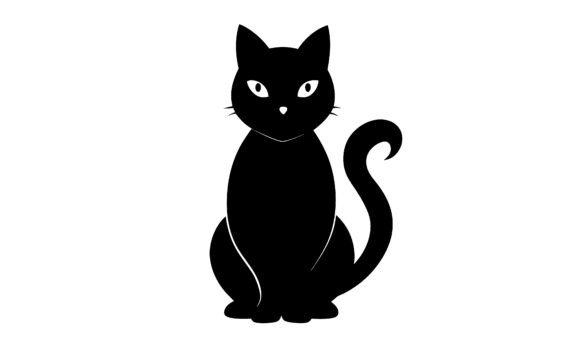
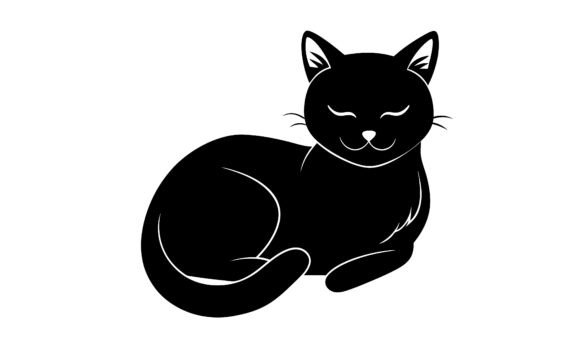
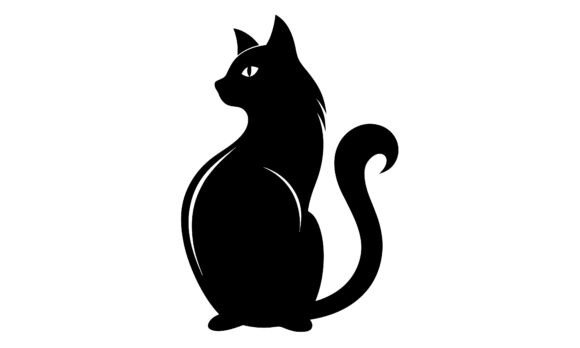
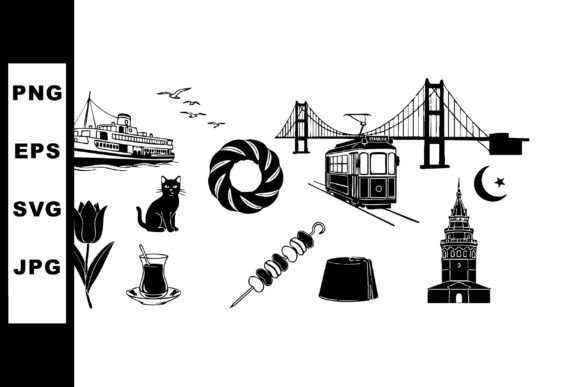
Upon opening the file, the immediate feeling is one of timeless elegance. The design features the Golden Gate Bridge, a cable car, and cultural icons like the tulip, cat, tea, and crescent moon, all rendered in a bold black silhouette style. This approach is brilliant for embroidery because silhouettes are forgiving. Unlike complex illustrations that require thousands of tiny satin stitches to capture gradients, these shapes rely on strong outlines and solid fills. For a crafter or small business owner, this means the risk of "thread breakage" or "stitch distortion" is significantly lower than with highly detailed designs.
The mood created is nostalgic yet clean. It evokes the spirit of the Bay Area without being cluttered. When you look at this as a potential embroidery project, it feels like it belongs on items that need to be understated but meaningful. It is not a loud, neon statement piece; it is a sophisticated accent that says something about the wearer's location or appreciation for culture. This makes it a versatile asset for anyone looking to create handmade products that appeal to tourists, locals, or fans of West Coast aesthetics.
Real-World Application: From Concept to Finished Product
To truly understand the value of San Francisco Iconic Landmarks and Symbols, let us imagine a specific scenario. You are preparing inventory for an upcoming craft fair or launching a new line on Etsy. You decide to create a custom embroidered tote bag featuring this design. The goal is to sell a practical, stylish accessory that captures the essence of San Francisco.
When I run this design mentally through the stitching process, the silhouette style works exceptionally well on canvas or heavy cotton tote bags. The black thread against a natural or denim background creates a striking contrast that looks professional even with basic stitching techniques. The cable car and bridge shapes are distinct enough to be recognized instantly, which is crucial for customer recognition. If you were to place this on a sweatshirt, the classic mood fits perfectly with vintage-style apparel trends. It does not feel dated; instead, it feels curated.
Furthermore, this design has immense potential for smaller items. Imagine a set of matching kitchen towels where one features the tulip and another the crescent moon, or perhaps a nursery pillow cover with the cat and tea cup. The simplicity of the shapes allows them to scale down beautifully. You could easily adapt this for a baby onesie or a cap patch without losing the integrity of the image. For a digital product seller, creating printable mockups of these designs on various backgrounds would generate high engagement, as the black silhouette is easy to visualize on any color palette.
Where Caution is Required: Technical Limitations
While the design is robust, no single embroidery design is perfect for every situation. There are specific scenarios where San Francisco Iconic Landmarks and Symbols requires careful consideration. If you plan to use this on a small hoop size, such as a 4x4 inch frame intended for a baby hat or a small pocket, you must verify the digitization. While the shapes are simple, if the overall composition is large, it might get crowded on a curved surface like a baseball cap.
Textured fabrics can also pose a challenge. On a boucle wool or a heavily ribbed jersey, the crisp lines of the silhouette might get lost or distort the fabric texture. Similarly, thin fabrics like silk or lightweight polyester blends may pucker if the stitch density is too high. Although the design uses silhouettes, which often imply fill stitches, the density needs to be appropriate for the fabric weight. If the design includes dense areas, using the wrong stabilizer could lead to pulling or warping of the garment.
Another critical factor is thread color contrast. The description specifies a black silhouette style. While black is classic, it can sometimes appear harsh on very dark fabrics unless a lighter thread is used for the outline or the background is light. If you are working with dark fabric, ensure you have a contrasting topstitch thread available, or consider using a white or silver thread to make the iconic landmarks pop. Always test the design on scrap fabric first to confirm the visual impact before committing to your final product.
Impact on Brand Value and Customer Trust
In the world of craft business and Etsy seller operations, the quality of the embroidery directly correlates with perceived value. A sloppy stitch job can ruin an otherwise beautiful concept. However, when San Francisco Iconic Landmarks and Symbols is executed correctly, it elevates the product. The clean lines and recognizable symbols convey professionalism. Customers are more likely to trust a brand that offers consistent, high-quality imagery.
This design fosters a sense of connection. Whether it is a gift for a friend moving to the city or a souvenir for a local resident, the emotional resonance of the Golden Gate Bridge or the cable car adds a layer of meaning that generic patterns lack. This increases the likelihood of repeat purchases and positive reviews. For commercial embroidery projects, such as corporate swag or event merchandise, the classic mood ensures the item remains relevant beyond a fleeting trend.
Practical Designer Notes for Execution
Before you begin stitching, there are several technical steps every designer should take to ensure success. First, review the stitch density within the software. Ensure that the fill stitches are not so tight that they bunch the fabric, nor so loose that the backing shows through. Second, confirm the hoop size required for the full design. If the design is large, you may need a larger hoop or a multi-step process.
Always inspect the small details. Even in a silhouette, the curves of the cable car wheels or the petals of the tulip need to be defined clearly. If the digitization is poor, these details might merge together during stitching. Test the design in black and white mockups to see how it interacts with different background colors. Compare light and dark fabric backgrounds to determine the best thread color combination. Use a proper stabilizer that matches the fabric type; cut-away stabilizers are generally safer for stretchy fabrics like t-shirts, while tear-away works well for stable wovens.
Finally, check the licensing terms. Many digital embroidery files come with restrictions on commercial use. If you intend to sell the finished items, such as tote bag designs or sweatshirt embroidery for a shop, ensure you have the right to do so. Do not assume the license covers resale. Verify the terms before listing any small shop product for sale.
In conclusion, San Francisco Iconic Landmarks and Symbols is a solid choice for designers seeking a blend of nostalgia and modern simplicity. Its silhouette style makes it accessible for various skill levels while maintaining a high-end aesthetic. With proper attention to fabric selection, stabilizer usage, and thread contrast, this design can serve as a cornerstone for a successful line of handmade goods. It is a tool that, when used with care, delivers results that customers will appreciate and cherish.