Tomato Silhouette Vector Illustration Review
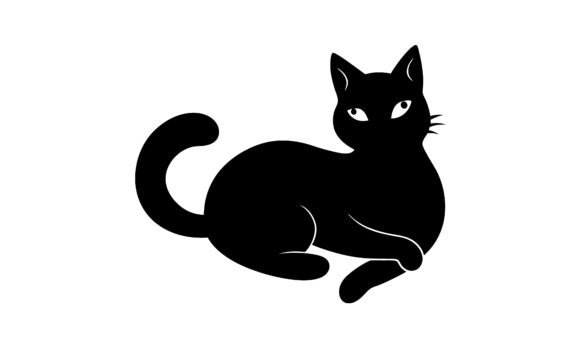
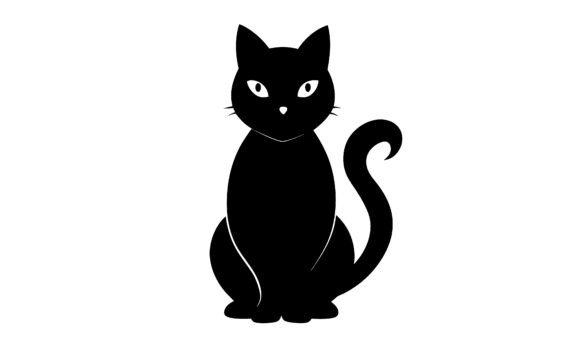
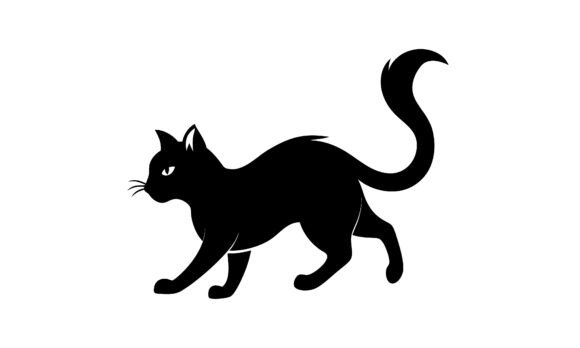
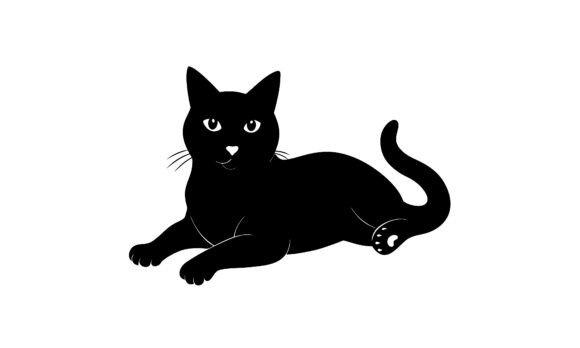
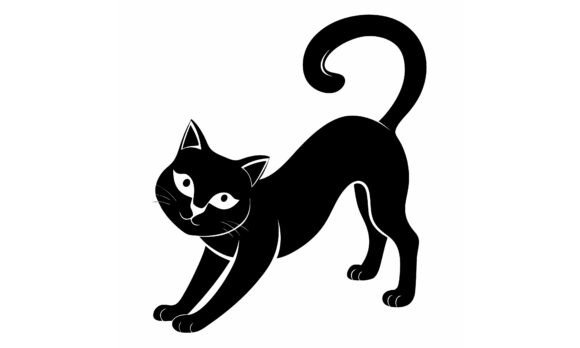
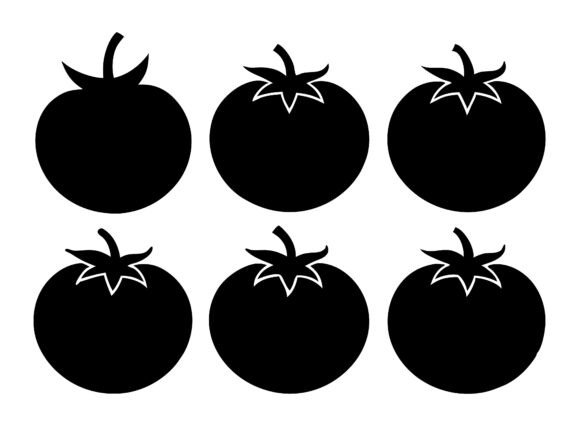
As a designer who has spent years turning digital assets into tangible, stitched masterpieces, I approach every new file with a mix of excitement and skepticism. You want the design to look cute on the screen, but does it actually hold up under the needle? Today, I am evaluating the Tomato Silhouette Vector Illustration. At first glance, the product description presents a bit of a puzzle: it mentions a tomato silhouette, yet describes a cute cartoon cat with large eyes and a swirling tail. In the world of embroidery, clarity is everything. If the source file or the intended imagery is ambiguous, the finished product will suffer.
However, assuming we are working with the visual described—a single continuous black line forming a playful character against a stark white background—this concept offers a unique opportunity for modern embroidery projects. Whether you are an Etsy seller looking to refresh your shop or a crafter preparing a personalized gift, understanding how this embroidery file translates from vector to thread is crucial for maintaining professional standards.
The First Stitch: Visual Personality and Mood
The immediate appeal of a single-line style illustration lies in its minimalism. When I first looked at the potential layout for this project, I thought about how it would translate to a machine embroidery design. A continuous line drawing often relies on negative space to define shapes, which can be tricky when stitching. Unlike complex fill stitches that cover fabric completely, this style demands precision. The mood created is whimsical and contemporary. It feels less like traditional folk art and more like a trendy graphic tee or a boutique nursery accent.
This aesthetic naturally belongs in settings where clean lines and high contrast are valued. Imagine a custom embroidered tote bag made of canvas. The stark white background of the vector allows the black thread to pop, creating a bold statement piece without overwhelming the fabric. Similarly, for baby clothes, the simplicity ensures the design remains soft and not too visually cluttered, which is essential for infant apparel. The "playful, swirling tail" mentioned in the description suggests movement, adding a dynamic element that static logos often lack.
Real-World Application: From Screen to Stitches
Let's walk through a realistic scenario. Suppose you are preparing a holiday gift collection for your small craft business. You need a design that looks expensive but is quick to stitch for mass production. You decide to use this illustration for a series of kitchen towels and aprons. The continuous line style works beautifully here because it mimics the look of a hand-drawn sketch, adding a touch of artisanal charm to functional items.
For a sweatshirt, the design would likely be placed on the chest or the back yoke. Because the design is described as having large, expressive eyes, it captures attention immediately. However, the success of this custom apparel project depends entirely on the execution of the stitch types. If the eyes are meant to be satin stitches, they must be wide enough to prevent the fabric from puckering. If the outline is a running stitch, the spacing between stitches becomes critical to maintain the illusion of a continuous line.
I also considered using this for an embroidered patch. The clean edges of the silhouette make it ideal for applique work or tight satin borders. A boutique owner could easily brand their merchandise with this, ensuring consistency across different products like caps and pillow covers. The versatility extends to digital assets as well; if you are selling printable mockups or digital embroidery files, this image serves as a strong preview for clients who appreciate minimalist aesthetics.
Where Caution is Key: Fabric and Hoop Constraints
While the design is charming, it is not without its challenges. As an experienced reviewer, I must point out specific areas where this embroidery project might struggle if not handled correctly. The primary concern is the scale. Single-line designs often lose their definition when scaled down too much. If you attempt to stitch this on a small hoop size, such as those used for socks or tiny baby booties, the details might disappear or merge together.
Textured fabrics present another hurdle. If you try to embroider this on a heavily textured material like a chunky knit sweater or a rough burlap, the continuous line may break or become uneven. Thin or stretchy fabrics, common in t-shirts and leggings, require careful stabilizer selection. Without adequate support, the tension required to pull the thread tight for a crisp line could cause the fabric to pucker, ruining the clean silhouette.
Dense stitch areas are also a consideration. If the design includes the "large, expressive eyes," these areas might require significant fill density. On dark fabric, the thread coverage needs to be absolute to hide the underlying color. If the design is not optimized for dark backgrounds, the white or light-colored threads might show through, or the black outline might look muddy. Furthermore, for products that need frequent washing, such as aprons or tea towels, the stability of the stitches is paramount. Loose running stitches on a design that is washed often may fray, losing the integrity of the continuous line.
Designer Notes for Professional Results
To ensure the finished product meets your expectations, there are several practical steps you must take before committing to a full run. First and foremost, test the design on scrap fabric. This is non-negotiable. You need to see how the thread colors interact with your specific fabric choice. Check the thread color contrast carefully; a black line on a black shirt requires a different approach than on white.
Review the stitch density settings in your digitizing software. High density can cause puckering, while low density can lead to gaps in the line. Confirm your hoop size matches the design dimensions; forcing a large design into a small hoop often results in misalignment. Inspect small details, particularly the eyes and the tail swirls, to ensure they are not too fine for the machine to handle accurately.
If you are planning to sell this as part of a commercial embroidery venture, verify the licensing terms immediately. Many digital products come with restrictions on how many finished items you can produce for sale. Also, consider testing the design in black and white mockups to visualize the final look without the distraction of color. Compare how it appears on both light and dark fabric backgrounds to ensure versatility.
Finally, use proper stabilizer. For a design relying on clean lines, a cut-away stabilizer is often superior to tear-away, especially on stretchy fabrics, as it provides lasting support. Ensure the design works for both personal and commercial projects by reading the fine print of the license agreement.
Final Verdict
The Tomato Silhouette Vector Illustration, interpreted as a playful cat design, holds significant promise for creative entrepreneurs and hobbyists alike. Its clean, modern aesthetic fits perfectly within the current trends for handmade products, Etsy listings, and boutique branding. It elevates simple items like tote bags and baby clothes into premium gifts.
However, the beauty of this design lies in its execution. It requires a steady hand, the right equipment, and a keen eye for detail. By following the precautions regarding fabric texture, hoop size, and stitch density, you can transform this digital asset into a stunning physical reality. For those willing to put in the preparation work, this design is a valuable addition to any craft business or personal collection of design assets.