Moody Cute: A Designer's Take on a Charming Embroidery File
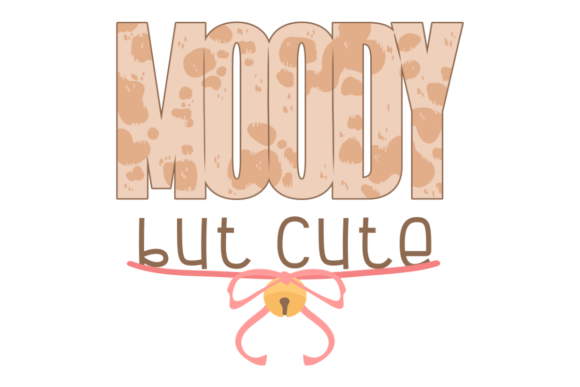
When I first opened the file for Moody Cute, I didn't just see a cute cat illustration; I saw a specific brand voice. As someone who spends hours testing machine embroidery designs to ensure they translate well from screen to fabric, my initial reaction was one of cautious optimism. The concept is simple yet effective: a cat that embraces its moods with charm, paired with sass and sweetness, tied up with a pink ribbon and bell. It sits squarely in the Crafts and Graphics categories, but its true potential lies in how it handles the physical limitations of thread.
This review isn't about listing technical specs you can find in a download folder. It is about the real-world application of this design. Would it look professional on a boutique tote bag? Could it stand out as a personalized gift for a baby shower? Or would the details get lost in the stitching process? Let's dive into what happens when you take Moody Cute off the screen and put it under the needle.
The First Stitch: Visual Personality and Mood
The strongest asset of this design is its emotional resonance. In a sea of generic floral patterns or standard monograms, Moody Cute offers personality. The combination of a sassy expression with a sweet ribbon creates a duality that appeals to modern buyers who want something unique. Visually, the layout suggests a central focal point, likely dominated by the cat's face, with the ribbon and bell acting as delicate accents.
From a design perspective, the "moody" aspect implies a slightly darker or more complex color palette might be intended, perhaps using shades of charcoal or deep gray for the fur, contrasted against the bright pink ribbon. This high-contrast approach is excellent for readability. When I imagine this on a dark sweatshirt, the pink pops immediately, creating a statement piece. However, the challenge will be rendering the "sass" in the eyes without the detail becoming muddy if the stitch density is too high.
Real-World Application: From Concept to Finished Product
To truly understand the utility of this file, let's look at a practical scenario. Imagine you are an Etsy seller preparing a collection of custom embroidered tote bags for the upcoming holiday season. You need something that feels handmade but has broad appeal. Moody Cute fits this niche perfectly.
Picture a canvas tote bag in a natural beige or black cotton. Placing the design in the center, the cat's face becomes the hero. The pink ribbon adds a touch of whimsy that softens the bag, making it ideal for a gift. Unlike a large, dense fill design that might make the fabric stiff and difficult to carry, this design appears to have enough negative space around the character to keep the fabric flexible. The inclusion of the bell is a clever touch; it introduces a small, distinct element that could be rendered in a satin stitch to give it a slight relief, adding texture to the finished product.
This same design logic applies beautifully to baby items. A onesie or a burp cloth featuring Moody Cute would be a hit for parents who appreciate humor in their nursery decor. The "mood" theme resonates with the chaotic reality of parenting, turning a potentially stressful situation into something adorable. For a commercial shop owner, this design offers versatility. It can be adapted for aprons, kitchen towels, or even small embroidered patches for denim jackets. The key here is that the design is not overly complex, which allows it to scale down effectively for smaller items like hats or cap brims.
Navigating the Challenges: Where to Proceed with Caution
While the concept is strong, every embroidery project comes with technical hurdles. My experience suggests that Moody Cute requires careful consideration regarding fabric choice and hoop size. If you plan to use this on stretchy fabrics like jersey knit for t-shirts or hoodies, you must ensure your stabilizer game is top-notch. Without adequate support, the tension required for the ribbon and bell details could cause puckering, ruining the clean lines of the cat's face.
Texture is another factor. If you attempt to stitch this on a heavily textured fabric like a chunky wool blanket or a rough burlap sack, the fine details of the ribbon and the bell might disappear. The thread simply won't lay flat against the bumps of the fabric. Similarly, while the design looks great on medium-to-large surfaces, I would advise caution with very small hoop sizes. If the total dimensions are pushed too small, the intricate details of the facial expression might merge into a single blob of thread, losing the "sass" that makes the design special.
Dense stitch areas are also a potential pitfall. If the design relies heavily on fill stitches for the cat's fur, it may become stiff. For items that require frequent washing, such as work aprons or children's clothing, excessive density can lead to thread breakage or distortion over time. Always check the stitch density before committing to a bulk order for a craft fair booth. If the file is too dense, consider adjusting the settings or choosing a lighter background fabric to reduce the visual weight of the embroidery.
Impact on Brand Value and Customer Trust
In the world of handmade goods and digital product sales, quality is everything. A poorly executed embroidery file can damage a brand's reputation faster than anything else. Customers expect crisp edges and clear details. Moody Cute, with its defined shapes and contrasting elements, has the potential to elevate a product's perceived value. When a customer sees a sharp, well-stitched cat with a vibrant ribbon, they associate that quality with the maker's attention to detail.
This design also enhances giftability. The playful nature of the cat and the "moody" caption make it a conversation starter. It works exceptionally well for personalized gifts where the recipient can relate to the sentiment. For an Etsy seller or a small shop product creator, this translates to higher engagement and better reviews. A well-executed Moody Cute on a custom apparel item signals professionalism and creativity, encouraging repeat business.
Practical Notes for the Embroidery Designer
Before you start stitching, there are several steps you must take to ensure success. First and foremost, always test the design on scrap fabric that matches your final project material. This allows you to gauge how the thread colors interact with the fabric texture and whether the stabilizer is providing enough support.
Review the stitch density carefully. If the design feels too heavy, consider reducing the fill percentage or switching to a running stitch for certain outlines to lighten the load. Check the thread color contrast; if you are planning to use a light pink ribbon on a white shirt, the visibility might be low. Conversely, a dark ribbon on a dark shirt might vanish. Test the design in black and white mockups to see if the contrast holds up without the distraction of color.
Confirm the hoop size requirements. Ensure your machine can accommodate the full design dimensions without needing to split the file, which can result in visible jump stitches. Inspect the small details, particularly the bell and the ribbon ends, to ensure they are not too tiny for the resolution of your machine. Finally, verify the licensing terms. If you intend to sell finished products featuring Moody Cute, you must confirm that the commercial embroidery rights are included in your purchase. Do not assume that buying a digital file grants you the right to resell the physical items created from it.
By approaching Moody Cute with a critical eye and a focus on technical execution, you can transform a simple graphic into a standout piece of custom apparel. Whether you are creating a holiday gift for a friend or launching a new line of craft business merchandise, this design offers a charming blend of attitude and sweetness that is sure to resonate with buyers. Just remember: the magic happens in the preparation, not just the button press.