Tail Attitude: A Designer's Review for Real Embroidery Projects
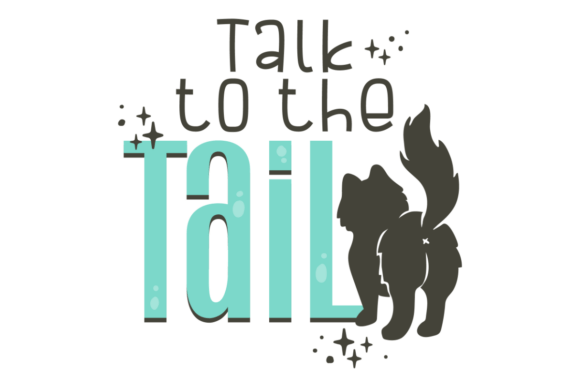
When I first opened the Tail Attitude file, I didn't just see a cat; I saw a conversation starter. As someone who has spent years stitching designs onto everything from delicate baby onesies to heavy-duty work aprons, I know that a good design isn't just about looking pretty on a screen. It is about how it translates into thread, how it sits on fabric, and whether it holds up after a dozen washes. This sassy cat design says it all—when the tail's turned, the conversation's over. That personality is exactly what makes Tail Attitude stand out in the crowded world of digital embroidery files.
I recently decided to put this design through its paces for a real-world scenario: creating a custom line of tote bags for a local boutique client who specializes in pet-related merchandise. The goal was to create something that felt handmade but professional enough to command a higher price point. My initial reaction to Tail Attitude was one of immediate visual appeal. The layout is clean, the attitude is clear, and the shape suggests movement without being overly complex. It feels like a design that belongs in a craft business setting, ready to be transformed into a finished product that customers will actually want to carry around.
First Impressions: Mood, Layout, and Visual Personality
The mood of Tail Attitude is undeniably playful yet confident. In the realm of graphics and crafts, finding a balance between cute and cool is difficult, but this design manages it well. The visual personality is sharp; it doesn't rely on excessive fluff or tiny, fragile details that might get lost in the stitching process. Instead, it uses bold lines and a distinct silhouette that reads clearly even from a distance.
For an embroidery designer, the layout is crucial. When you are working with a machine embroidery design, you have to think about how the stitches will flow. Does the thread bunch up? Are there awkward transitions between the satin stitch outlines and the fill areas? From a quick review of the vector structure, Tail Attitude appears to have a logical flow. The "sassy" turn of the tail creates a natural focal point that draws the eye immediately. This is excellent for branding because it ensures your logo or design element is the first thing people notice on a tote bag, t-shirt, or sticker.
The detail level is appropriate for most standard embroidery projects. It avoids the trap of including microscopic elements that look great in a digital preview but disappear once stitched. This practical approach means the final embroidered patch or apparel decoration will maintain its integrity over time. Whether you are an Etsy seller looking to boost your shop's aesthetic or a hobbyist making personalized gifts, the visual clarity of Tail Attitude offers a strong foundation for success.
Real-World Performance: Where Tail Attitude Shines
To truly understand the value of a design asset, we have to look at where it performs best. During my evaluation, I considered several potential applications for Tail Attitude. The versatility of this design is one of its strongest assets. It fits seamlessly into custom apparel categories, such as sweatshirt embroidery or t-shirt designs, where a bold graphic is needed to make a statement.
Imagine placing Tail Attitude on a canvas tote bag. The sturdy fabric provides a perfect surface for the design to sit, allowing the threads to pop without distorting the material. This is a classic use case for a tote bag design intended for a small shop product. The contrast between the thread colors and the bag fabric can be manipulated to suit any color palette, making it ideal for seasonal collections or holiday embroidery projects. For instance, using white thread on a black tote creates a striking look, while pastel threads on a cream bag offer a softer, more whimsical vibe.
Beyond bags, Tail Attitude is equally effective for baby embroidery. Parents love personalized items, and a sassy cat design adds a touch of humor to nursery decor or baby clothes. The design is large enough to be visible but not so overwhelming that it dominates a small garment. Similarly, for commercial embroidery projects like branded aprons or kitchen towels, the design adds a layer of character that generic patterns lack. It transforms a functional item into a piece of art that reflects the owner's personality.
Another area where this design excels is in the creation of embroidered patches. Because the outline is defined and the internal details are manageable, Tail Attitude would hold up well when cut out and applied to denim jackets or caps. The stability of the design ensures that the edges remain crisp, which is essential for maintaining a professional appearance on wearable goods.
Areas of Caution: Technical Considerations for Stitching
While Tail Attitude is a robust design, no single file is perfect for every situation. There are specific scenarios where you need to exercise caution to ensure the best results. One primary concern is hoop size. If you attempt to stitch this design in a very small hoop, you might run into issues with registration or tension, especially if the design includes dense stitch areas. Always confirm the recommended hoop size before starting your project.
Fabric texture also plays a significant role. On textured fabrics, the definition of the design might be slightly softened, which could be desirable for a rustic look but detrimental if you need sharp, precise lines. Conversely, thin or stretchy fabrics require extra attention to stabilizer selection. Without proper support, the stitch density of the design could cause the fabric to pucker or distort, ruining the finished product. When working with dark fabrics, thread color contrast becomes critical. You must choose thread shades that provide sufficient visibility against the background to maintain the design's impact.
Curved surfaces, such as caps or hats, present another challenge. While Tail Attitude has a dynamic shape, applying it to a curved surface requires careful digitizing adjustments to prevent distortion. Additionally, if the design features tiny lettering or decorative accents, these elements should be scrutinized closely. Tiny details often suffer in embroidery, so testing the design on scrap fabric is non-negotiable. Finally, products that need frequent washing, like daily wear apparel or kitchen towels, benefit from checking the durability of the stitches. Ensure that the design does not have loose ends or weak points that could unravel over time.
Practical Designer Notes for Success
If you are planning to use Tail Attitude for a commercial embroidery project or a personal gift, here are some essential steps to follow. First, always test the design on scrap fabric that matches your final material. This allows you to check thread color contrast and review stitch density without risking your actual product. Second, inspect small details carefully. Zoom in on the digital preview and compare light and dark fabric backgrounds to ensure the design remains legible in various contexts.
Using the proper stabilizer is perhaps the most important technical step. Depending on the fabric weight, you may need a tear-away, cut-away, or water-soluble stabilizer to keep the embroidery project stable during the stitching process. Before committing to a full production run, create printable mockups to visualize how the design will look on the final item. This helps in assessing visual appeal and product value before you spend money on materials.
It is also vital to review licensing terms. Confirm whether the design works for both personal and commercial projects. Many designers sell their work as digital embroidery files, but the rights to sell finished items vary. Check the license agreement to ensure you are compliant if you intend to list the item on Etsy or sell it in a boutique. Lastly, don't forget to check the file format compatibility with your specific machine to avoid technical glitches during the run.
In conclusion, Tail Attitude is a standout choice for anyone looking to add a touch of flair to their embroidery portfolio. Its sassy personality, combined with a practical layout, makes it suitable for a wide range of applications, from custom apparel to boutique branding. By following basic testing protocols and paying attention to fabric and stabilizer choices, you can transform this digital asset into a high-quality finished product that delights customers and elevates your brand. Whether you are a seasoned pro or a new crafter, this design offers a reliable path to creating memorable, handmade goods.