Spider Webs Icon Vector Illustration: Real Embroidery Review
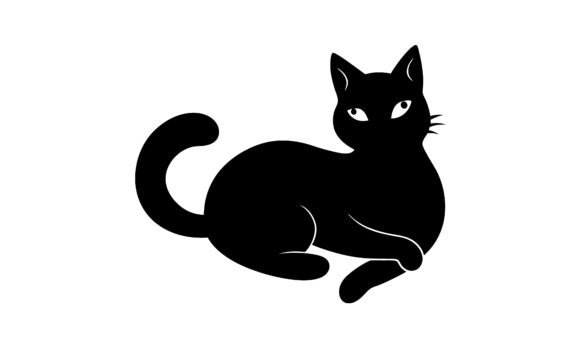
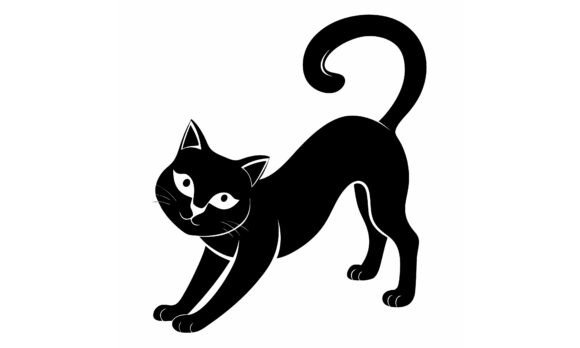
When I first pulled up the Spider Webs Icon Vector Illustration, my initial reaction wasn't about the file format or the technical specs. It was about the mood. The description promises a single continuous black line forming a cute cartoon cat with large, expressive eyes and a playful, swirling tail against a stark white background. That specific visual promise immediately sparked a thought in my mind: this is perfect for a modern, minimalist nursery collection or a quirky boutique tote bag.
As an experienced designer who has tested hundreds of files for client projects, I know that what looks clean on a screen can sometimes struggle when translated into thread. This review isn't just about whether the design exists; it's about how Spider Webs Icon Vector Illustration will actually perform when it hits the hoop, sits on a sweatshirt, or becomes a cherished personalized gift for a new parent.
The First Stitch: Visual Personality and Mood
The strength of this design lies in its simplicity. In the world of embroidery, less is often more, provided the lines are clear enough to hold their shape. The concept of a "single continuous black line" suggests a running stitch or a very fine satin stitch execution. This creates a fluid, sketch-like quality that feels incredibly handcrafted, which is exactly what buyers are craving in today's handmade market.
The "cute cartoon cat" element gives it broad appeal. Unlike intricate portraits that require high-end machines and expensive threads, this graphic style works beautifully with standard polyester threads. The large, expressive eyes are the focal point. In a real-world scenario, these eyes need to be large enough to register clearly, even if the fabric texture is slightly fuzzy. If the eyes are too small in the vector, they might disappear under the needle pressure. However, assuming the vector scales well, this design has a playful personality that fits perfectly with baby items, children's apparel, or fun home decor accents.
Real-World Application: From Screen to Stitch
Let's imagine a practical scenario. You are preparing inventory for an upcoming craft fair or updating your Etsy shop for the holiday season. You decide to create a line of embroidered kitchen towels featuring this cat. The stark white background of the vector translates perfectly to white cotton or linen tea towels. The continuous line art would look elegant and uncluttered on a kitchen towel, where a busy, multi-colored design might feel overwhelming.
Alternatively, consider using Spider Webs Icon Vector Illustration on a custom tote bag. A single-color embroidery on a canvas tote is a classic combination. The swirling tail adds a dynamic element that draws the eye across the fabric without creating a dense block of stitches that could stiffen the material. For a small business owner, this design offers versatility. It can serve as a logo for a pet supply brand, a motif on a cat lover's sweatshirt, or a decorative patch on a denim jacket.
The design also shines in the realm of digital product sales. As a design asset, it is ideal for creating printable mockups. Sellers can easily place this vector on images of hoodies, mugs, or phone cases to show customers what the final finished product might look like. Its clean lines ensure that even at small thumbnail sizes on social media, the cat remains recognizable.
Where to Be Careful: Technical Challenges
While the aesthetic is strong, there are specific situations where this design requires caution. The most critical factor is the hoop size. Because the design relies on a single continuous line, shrinking it down too much for a small project like a cap brim or a baby hat can result in lost details. The "large, expressive eyes" might become mere dots if the scale is too small relative to the stitch count available.
Fabric choice is equally important. This design would struggle on stretchy fabrics like thin jersey or loose-knit sweaters without proper stabilizer support. The tension required to pull the thread tight enough to form a sharp line could cause the fabric to pucker, ruining the smooth flow of the continuous line. Similarly, on textured fabrics like heavy boucle or corduroy, the definition of the cat's face might get lost in the weave of the cloth.
Another area to watch is dark fabric. The description specifies a black line on a white background. If you intend to embroider this on a navy blue shirt, you cannot simply change the thread color without rethinking the entire composition. Black thread on dark fabric is invisible unless you use a contrasting outline or a different fill technique. Furthermore, if the design includes any tiny text or minute details near the cat's whiskers, those areas are prone to breaking or merging together during the stitching process.
Stitching Strategy for Clarity
To make this work effectively, you need to think about the stitch types. A simple running stitch might be too delicate for long-term wear on apparel. You might want to convert the outline to a narrow satin stitch to give the lines more body and durability. However, increasing the density too much can turn the delicate line art into a solid blob, defeating the purpose of the sketch style.
If you are working with a machine that allows for fill stitch variations, you could experiment with adding subtle shading to the ears or the tail to give the cat more depth. But for a true minimalist look, sticking to a clean outline is usually the best route. Always remember to check the stitch density; if the file is too dense, the fabric will become rigid and uncomfortable to wear.
Making It Shine: Professional Tips for Makers
Before you commit this design to a commercial batch of products, testing is non-negotiable. I always recommend running a test on scrap fabric first. This allows you to see how the thread interacts with the material and whether the stabilizer chosen is sufficient to prevent puckering. Pay close attention to the corners and curves of the tail; these are the areas where thread breaks are most likely to occur if the tension isn't dialed in correctly.
Thread color selection is another decision point. While the vector is black, using pure black thread on a white background can sometimes look harsh. Consider using a very dark charcoal or a deep navy to soften the contrast while maintaining the silhouette. Conversely, if you are doing a reverse application (like applique), the contrast needs to be sharp to define the shape.
For those selling embroidery files or finished goods, clarity is key to customer trust. A crisp, well-executed Spider Webs Icon Vector Illustration signals professionalism. Customers are willing to pay a premium for items that look polished and intentional. A sloppy execution of a simple design can make a brand look amateurish, whereas a precise execution elevates the perceived value of the item.
Final Thoughts on Value and Versatility
In conclusion, Spider Webs Icon Vector Illustration is a strong candidate for anyone looking to add a touch of whimsical charm to their craft business. Its potential spans from custom apparel to holiday embroidery gifts. The design's reliance on a single line makes it adaptable to various machine embroidery designs, provided the user respects the limitations of the medium.
Whether you are an Etsy seller looking to expand your catalog or a hobbyist making a unique gift for a friend, this graphic offers a solid foundation. Just remember to verify the specific file formats and license terms before mass production. Ensure you have the right digital embroidery file settings for your machine to avoid any surprises. With careful planning and a bit of testing, this cute cat can become a standout feature in your next handmade product lineup.
Ultimately, the success of this project depends on your ability to translate the digital line into physical thread. When done right, the result is a piece of art that captures the playful spirit of the original vector while standing up to the rigors of daily use. It is a reminder that great design is not just about how it looks on a monitor, but how it feels in the hands of the person wearing or holding it.