Toe Bean Crew: A Designer's Review for Real Embroidery Projects
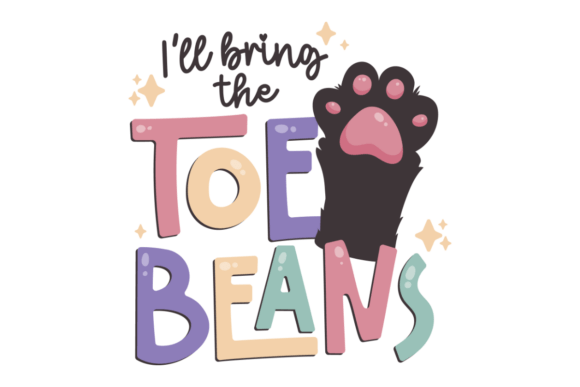
When I first opened the file for Toe Bean Crew, my initial reaction was a mix of delight and immediate practical assessment. As someone who spends hours every day evaluating machine embroidery designs for client work and my own shop, I know that an adorable concept doesn't always translate to a successful stitched product. This design belongs to the Crafts and Graphics categories, but its true value lies in how it handles the transition from digital screen to thread. The premise is simple yet effective: "I'll Bring the Toe Beans," featuring those squishy little paws that have taken over social media feeds everywhere. But does it hold up under the needle? Can it stand out on a busy fabric texture? Let's dive into what this embroidery file actually brings to the table for serious makers.
The First Stitch: Visual Personality and Mood
The visual personality of Toe Bean Crew is undeniably warm and inviting. It creates an instant mood of comfort and playfulness, which is exactly what you want when designing for cat lovers. The layout feels balanced, avoiding the cluttered look that often plagues text-heavy designs. For a designer looking to create a handmade product that resonates emotionally, this is a strong starting point. The shape of the paws suggests soft curves, which usually indicates a good use of satin stitch for smooth edges and fill stitch for body. However, the success of the final piece relies heavily on how these elements interact with the chosen thread colors and fabric texture.
I immediately thought about where this design would shine brightest. It isn't just a graphic; it's a statement piece. Whether you are an Etsy seller building a boutique brand or a hobbyist making a personalized gift, the character of this design allows it to fit seamlessly into various niches. It feels at home on a nursery item, a kitchen towel, or a custom sweatshirt. The key here is that the design doesn't scream for attention so loudly that it overwhelms the garment; instead, it invites the viewer to lean in and appreciate the detail.
Real-World Application: From Screen to Stitches
To truly understand the potential of Toe Bean Crew, I ran a mental simulation through several common project scenarios. Imagine preparing a custom embroidered tote bag for a local craft fair. The canvas of a cotton tote provides a sturdy base, allowing the design to pop without distorting. If I were using this as a tote bag design, I would likely pair it with a contrasting background color to ensure the "squishy" nature of the toes translates well. The design works particularly well on lighter fabrics where the thread colors can be fully appreciated, creating a high-quality finished product that customers trust.
Now, consider a more challenging application: a baby onesie or a cap. These items require precision. On a baby item, the softness of the embroidery is crucial. Toe Bean Crew seems to have a moderate density, which is excellent for preventing stiffness on delicate fabrics like jersey or fleece. However, if you attempt to place this on a curved surface like a baseball cap, you need to be mindful of the distortion that occurs around the brim. While the design is flexible, placing it too far forward might cause the text to curve unnaturally. For a custom apparel project, testing on scrap fabric first is non-negotiable to see how the threads lay against the grain of the material.
I also envision this design being used for holiday gifts or boutique branding. During the holidays, buyers are looking for items that feel special and unique. An embroidered patch featuring these toe beans could elevate a standard apron or blanket into a premium gift. The versatility extends to digital assets as well; if you are selling digital embroidery files, this design serves as a great example of how a simple concept can drive sales. It fits perfectly into a collection of animal-themed graphics, appealing to the massive market of pet owners.
Navigating the Pitfalls: Where Caution is Key
While Toe Bean Crew has many strengths, no design is perfect for every situation. There are specific constraints where this design might struggle. One major consideration is the hoop size. If the design includes small details or tiny lettering, shrinking it down to fit a small hoop (like 4x4 inches) could result in lost definition. The fine lines of the paw pads might disappear or merge together if the stitch count is too low relative to the size.
Fabric choice is another critical factor. Textured fabrics, such as heavy waffle weave or boucle, can hide the intricate details of the design. Similarly, stretchy fabrics like spandex blends require a stabilizer that matches the stretch of the material, or the embroidery will pucker upon washing. Dark fabrics present their own challenge; unless you plan to use a substantial amount of white or light-colored underlay, the design might look muddy. In these cases, checking the thread colors and ensuring high contrast is essential for maintaining the professional look of the finished product.
Additionally, if you are planning to wash the item frequently, such as a kitchen towel or a child's shirt, you must verify the durability of the stitch density. Dense areas can sometimes trap lint or wear down faster if not properly secured. For commercial embroidery projects where consistency is paramount, you need to ensure that the design holds up after multiple wash cycles without losing its charm.
Designer's Notes for Maximum Impact
Before you commit to stitching this design for a client or your own inventory, there are several technical steps you should take. First, always test the embroidery project on a scrap of the actual fabric you intend to use. This allows you to adjust the tension and stabilizer type before risking a customer's order. Check the stitch density visually; if it looks too heavy, it may need trimming or digitizing adjustments to improve the drape of the fabric.
Review the design in black and white mockups to ensure the contrast works even without color. This helps you visualize how the design will look on different backgrounds. When selecting thread colors, think about the mood you want to convey. Soft pastels might work for a baby shower, while bold primary colors could be better for a fun, energetic tote bag. Also, confirm whether the licensing terms allow for commercial use if you plan to sell the finished items. Many designers overlook this until it is too late.
If you are using this as a printable mockup for your online store, make sure the rendering accurately reflects the texture of the thread. Buyers want to see what they are getting. Finally, inspect the small details closely. Are the corners of the letters sharp? Do the paw pads have enough definition? If the answer is yes, you have a winner. If not, you may need to adjust the settings in your digitizing software or choose a different design.
Final Verdict on Creative Potential
Toe Bean Crew stands out as a versatile and charming addition to any embroidery library. It balances cuteness with structural integrity, making it suitable for everything from sweatshirt embroidery to delicate baby embroidery. For small business owners and creative entrepreneurs, this design offers a reliable way to create products that customers will love and share. By understanding its limitations and leveraging its strengths, you can turn a simple digital file into a high-value small shop product that builds trust and engagement. Whether you are crafting a unique gift or stocking your Etsy listings, this design proves that sometimes the smallest details make the biggest impact.