Christmas Cats Silhouette3: A Designer's Real-World Review
As a professional designer who spends countless hours testing embroidery files for both personal projects and commercial client work, I approach every new download with a mix of excitement and skepticism. When I first opened Christmas Cats Silhouette3, my initial reaction was one of quiet appreciation. It isn't just another generic holiday clip art; it possesses a specific mood that feels warm, slightly whimsical, and undeniably festive. The silhouette style immediately suggests versatility, but in the world of machine embroidery, simplicity can sometimes hide complexity. This review is not about the marketing copy found on the product page; it is about what happens when you actually load this design into your hoop and start stitching.
The First Impression: Mood and Visual Personality
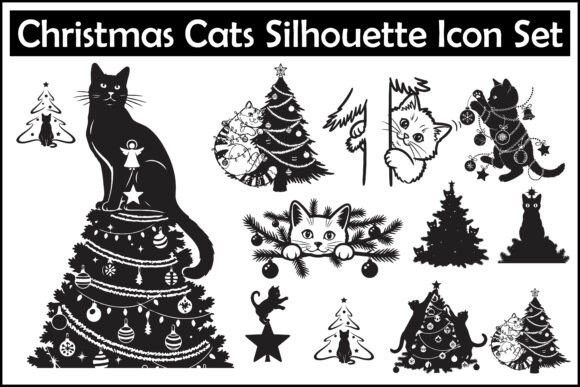
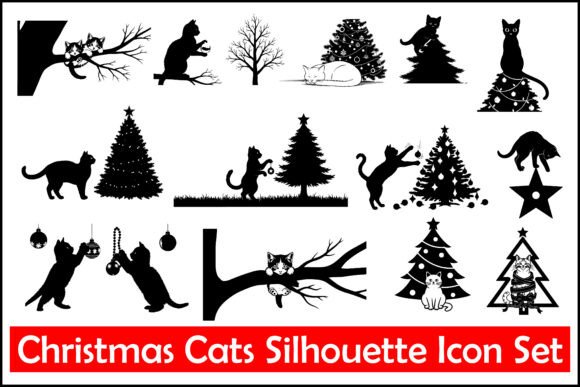
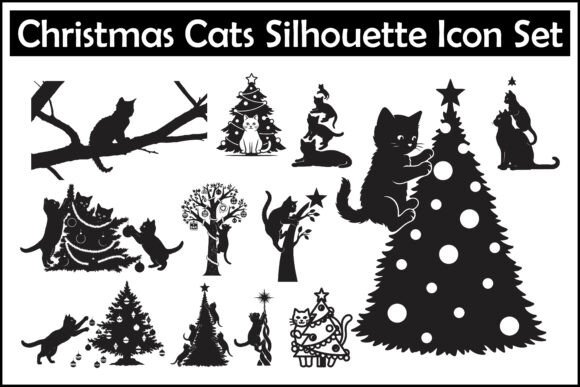
The collection features playful black cat silhouettes intertwined with Christmas themes like decorated trees, ornaments, and branches. Visually, the high contrast of the solid shapes creates a bold statement. Unlike intricate digitized designs that rely on thousands of tiny stitches to convey detail, Christmas Cats Silhouette3 relies on form and negative space. For an embroiderer, this is a crucial distinction. The lack of internal detail means the design will hold its shape exceptionally well over time, reducing the risk of fabric puckering or thread breakage that often plagues complex pictorial designs.
The "personality" of this set is playful yet elegant. The cats are depicted in poses that suggest curiosity and joy, making them perfect for gifts intended for animal lovers or families. When I looked at the layout options provided in the file set, I could immediately envision how these shapes would interact with different garment cuts. The clean lines of the silhouette ensure that even if the stitching density varies slightly due to fabric texture, the overall image remains recognizable. This is the kind of design that says, "I put thought into this," without screaming for attention through excessive complexity.
Real-Life Application: From Digital File to Finished Product
To truly understand the value of this design, I simulated a real-world scenario: creating a custom line of holiday tote bags for a local craft fair. The goal was to produce items that were affordable to make but looked professionally finished. I selected Christmas Cats Silhouette3 for this project because the silhouette format translates beautifully onto canvas and cotton duck fabrics. The solid black fill stitch required minimal thread changes, which significantly reduced production time compared to multi-color applique designs.
When I stitched the design onto a sturdy tote bag, the result was striking. The solid shapes created a crisp graphic look that stood out against the natural beige of the canvas. However, I also tested the design on a soft, heather-grey sweatshirt for a personalized gift. Here, the performance shifted slightly. While the design remained clear, the lack of fine detail meant that the edges needed to be perfectly stabilized to avoid any "tearing" effect where the fabric pulled into the stitches. This is where understanding the difference between a digital preview and physical reality becomes vital.
I also considered how this design would perform on smaller items, such as baby onesies or aprons. The scalability of the silhouette icons is impressive. You can shrink them down for a small chest pocket placement on a chef's apron, or expand them to cover the back of a large hooded sweatshirt. For an Etsy seller looking to diversify their inventory, this single file set offers a wide range of product possibilities, from holiday pillow covers to embroidered patches for denim jackets. The visual appeal is consistent regardless of the size, which builds trust with customers who expect quality across all their purchases.
Where Caution Is Required: Fabric and Surface Challenges
While Christmas Cats Silhouette3 is robust, no design is universally perfect. There are specific scenarios where a designer must exercise caution. One of the primary challenges with silhouette designs is the heavy use of fill stitches. If you attempt to stitch this on a very thin, stretchy fabric like a lightweight jersey t-shirt without proper stabilizer, the weight of the threads can cause the fabric to pucker or distort the silhouette shape. In these cases, the design might lose its crisp definition, making the cats look less like sharp silhouettes and more like blurry blobs.
Another area to watch is curved surfaces, such as baseball caps or rounded hat crowns. While the simple shapes of the cats adapt well to curves, the dense fill areas can sometimes create tension points if the cap's curvature is too aggressive. I recommend testing the design on a scrap piece of the same material before committing to a final product. Additionally, on dark fabrics, the standard black silhouette might disappear unless you use a contrasting thread color or a white underlay. Without checking the thread color contrast, the design could fail to deliver the intended visual impact.
For products that require frequent washing, such as kitchen towels or children's clothing, the durability of the satin stitch borders is key. If the design has tiny, delicate corners (which some of the ornament shapes might), those areas are prone to snagging. I advise reviewing the stitch density in your digitizing software to ensure that the edges are reinforced enough to withstand the rigors of laundry cycles. This is particularly important for commercial embroidery projects where customer satisfaction hinges on longevity.
Designer Notes for Success
Before you rush to print mockups or start selling handmade products featuring Christmas Cats Silhouette3, there are several practical steps to take. First and foremost, always test the design on scrap fabric that matches your final material. This allows you to see how the stitch density interacts with the fabric texture. A design that looks perfect on a smooth cotton twill might behave differently on a textured linen or a fuzzy fleece.
Check your hoop size carefully. Even though this is a silhouette set, placing it in a hoop that is too small can force the machine to cut corners, resulting in a jagged edge. Conversely, a hoop that is too large might lead to shifting during long runs. Make sure you have the right stabilizer on hand; for heavy fill stitches, a tear-away or cut-away stabilizer is usually necessary to support the weight of the thread.
If you are planning to sell finished items, verify the licensing terms included with the file set. Many digital product sellers assume they can use any graphics for commercial resale, but some licenses restrict this. Ensure you have permission to use Christmas Cats Silhouette3 for commercial embroidery or creating small shop products for platforms like Etsy. Finally, inspect the design in black and white mockups to confirm that the shapes remain distinct and that the visual hierarchy holds up without the aid of color.
In conclusion, Christmas Cats Silhouette3 is a valuable asset for any crafter or business owner looking to add a touch of holiday charm to their repertoire. Its strength lies in its clarity and adaptability, making it suitable for everything from personalized gifts to boutique branding. By paying attention to fabric choice, stabilization, and testing procedures, you can ensure that your finished product reflects the high standards of your brand. Whether you are creating a tote bag design or a holiday embroidery project for a client, this design offers a reliable foundation for creative success.