Christmas Tree is Enemy: A Designer's Real-World Review
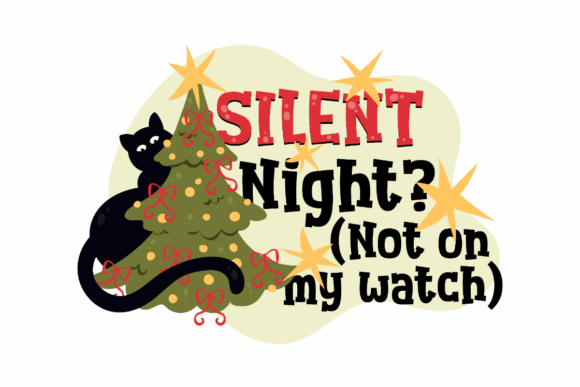
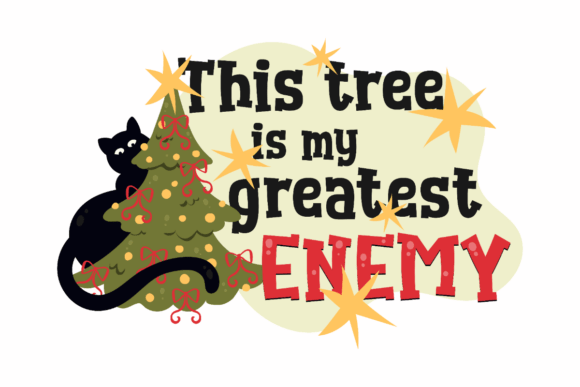
When I first opened the file for Christmas Tree is Enemy, I didn't just see a graphic; I saw a conversation starter. As someone who has spent years evaluating embroidery designs for everything from boutique clothing lines to custom holiday gifts, I know that the difference between a good design and a great one often comes down to execution. This piece captures a specific mood perfectly: the mischievous black cat plotting behind a slightly leaning tree. It feels authentic to the chaotic energy of the holidays rather than the polished perfection we usually see.
The visual personality of this design is bold and playful. The large sparkles surrounding the scene add a necessary amount of movement, preventing the composition from feeling too static. For an embroidery designer looking to create something relatable, this concept hits the mark. It isn't just about stitching a cat; it is about capturing the spirit of "Tree Is Enemy" in a way that customers will recognize immediately. However, turning a digital image into a stitched reality requires more than just hitting the button on the machine. We need to look at how this design behaves when translated into thread.
Real-Life Application: From Screen to Stitch
I recently considered using this design for a custom embroidered tote bag intended as a holiday gift for a client who runs a small coffee shop. The goal was to create a product that felt personal yet professional enough for their brand. The layout of Christmas Tree is Enemy works exceptionally well here because the central figure—the cat—draws the eye immediately, while the sparkles provide a nice border effect that frames the text naturally.
Imagine the finished product: a sturdy canvas tote with the mischievous cat peeking out from behind a tree, rendered in high-contrast threads. The humor lands differently when it is tactile. When a customer holds the bag, they aren't just reading a joke; they are feeling the texture of the satin stitch on the cat's fur and the density of the fill stitches on the tree branches. This adds a layer of value that a printed graphic simply cannot achieve. For Etsy sellers or craft business owners, this distinction is crucial. Handmade products command higher prices because of the labor and skill involved in the embroidery process.
However, not every project is a tote bag. I also tested the potential of this design for a baby sweatshirt. The theme is perfect for parents who might be secretly dreading the chaos of Christmas morning. The key here is placement. On a sweatshirt, the design needs to sit comfortably on the chest or back without being too overwhelming. The slight lean of the tree in the original graphic actually helps here, as it creates a dynamic angle that looks less stiff on a curved surface like a shoulder or sleeve compared to a perfectly symmetrical design.
Navigating Technical Challenges
While the concept is strong, the devil is in the details. Any experienced embroiderer knows that Christmas Tree is Enemy presents specific challenges depending on the fabric and hoop size. If you plan to use this on a textured fabric like a heavy wool or a nubby linen, you must be cautious. The fine details of the cat's whiskers and the individual sparkles might get lost if the fabric grain interferes with the needle path.
Stitch density is another critical factor. To make the black cat pop against a lighter background, the fill stitch needs to be dense enough to cover the fabric completely but not so dense that it causes puckering, especially on thin fabrics. If you are working with stretchy materials like jersey knit, you will need a high-quality stabilizer to prevent the design from distorting during wear and washing. Without proper stabilization, the "plotting" cat could end up looking like it is sliding off the garment.
There are also scenarios where this design should be used carefully. Small hoop sizes can be tricky with this specific layout. If you try to fit the entire scene into a 4x4 inch area, the sparkles and the text may become indistinguishable blobs of thread. Similarly, applying this to a curved surface like a cap requires significant digitizing adjustments. The natural curve of a hat can flatten the perspective of the tree, making the "leaning" effect look unintended rather than artistic. In these cases, scaling the design down or cropping the outer sparkles might be necessary to maintain clarity.
Visual Appeal and Brand Consistency
For commercial embroidery projects, consistency is king. If you are building a line of holiday merchandise, Christmas Tree is Enemy fits well alongside other humorous or edgy themes. It breaks away from the traditional red and green tropes by introducing a modern, slightly rebellious vibe. This can significantly boost buyer engagement, particularly among younger demographics or those who prefer unique, non-traditional holiday decor.
The design also enhances the perceived value of the finished product. An embroidered patch featuring this cat can elevate a simple denim jacket or apron into a statement piece. When customers see the intricate detail work, they associate that quality with your brand. It signals that you care about the craft, which builds trust. Whether you are selling a personalized gift or a mass-produced item, the clarity of the stitching reflects directly on your professionalism.
Practical Notes for the Embroidery Designer
Before you commit to a full production run, there are several steps you must take to ensure success. First and foremost, test the design on scrap fabric. This allows you to check thread color contrast and see how the stitch density interacts with your specific material. You might find that a dark thread on a dark fabric loses definition, requiring a change in the underlay or a different thread weight.
Review the stitch density settings in your software. If the design feels too crowded, consider adjusting the running stitch lengths for the outlines or reducing the fill density slightly. Inspect small details closely; sometimes, what looks clear on a screen appears jagged when stitched. Testing the design in black and white mockups can also help you visualize the contrast before committing to expensive threads.
Confirm whether the design works for both personal and commercial projects. Licensing terms vary widely, and selling finished items made from a design meant only for personal use can lead to legal issues. Always check the license agreement provided with the embroidery file. Additionally, ensure you have the correct hoop size for your machine. If the design exceeds your hoop capacity, you may need to split the design or resize it, which could alter the final aesthetic.
Finally, think about the end-user experience. Will the embroidery hold up after multiple washes? Dense areas can trap moisture, leading to mildew if not dried properly. Advising customers on care instructions is part of the service you provide. By considering these practical aspects, you ensure that the Christmas Tree is Enemy remains a beloved item in your collection rather than a discarded mistake.
In conclusion, Christmas Tree is Enemy is a versatile and engaging design that offers much more than just a seasonal greeting. It provides a unique opportunity for designers and small business owners to create products that resonate emotionally with their audience. With careful planning regarding fabric choice, stabilization, and technical execution, this graphic can transform from a simple digital asset into a cherished handmade product. Whether you are decorating a nursery, launching a boutique line, or crafting a special gift, this design brings a touch of humor and charm that is sure to stand out.