Merry Christmas Whatever: A Designer's Real-World Review
As someone who has spent years evaluating embroidery designs for everything from boutique clothing lines to custom holiday gifts, I approach every new file with a mix of excitement and skepticism. Most "holiday" graphics are safe, generic, and forgettable. But Merry Christmas Whatever immediately caught my attention because it breaks the mold. It is not just another festive graphic; it is a statement piece that speaks directly to the modern crafter, the Etsy seller looking for unique inventory, and the designer who wants to add personality to their work.
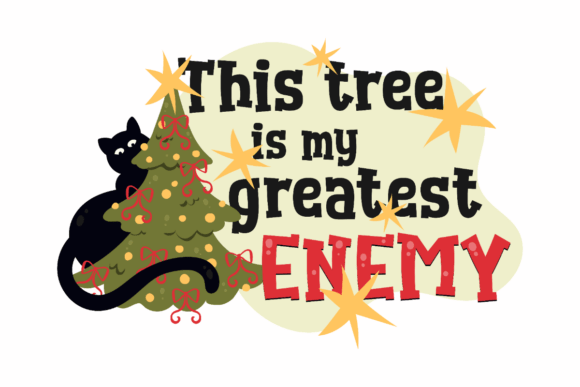
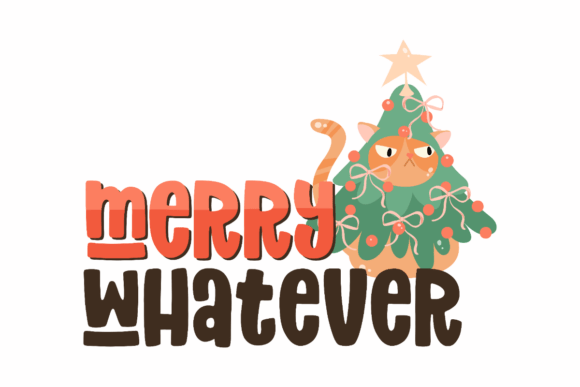
The core concept is simple yet effective: a disgruntled cat dressed up as a Christmas tree paired with the phrase "Merry whatever." This combination creates an immediate mood shift. It moves away from the traditional "jolly" aesthetic and leans into sarcasm, humor, and relatability. For a professional designer, this is gold. It offers a specific niche appeal that can differentiate a handmade product in a saturated market.
First Impressions and Visual Personality
When you first look at the design assets for Merry Christmas Whatever, the visual hierarchy is clear. The character of the grumpy cat-tree hybrid serves as the focal point, drawing the eye instantly. The typography used for the phrase "Merry whatever" complements the attitude of the illustration without overpowering it. In terms of layout, it feels balanced enough to sit comfortably on a chest pocket or centered on a tote bag, yet dynamic enough to stand alone as a patch or a wall hanging.
The theme resonates deeply with anyone who finds the holidays stressful or overwhelming. It captures the feeling of enduring family gatherings and forced cheerfulness with a wink. For a small business owner, this kind of emotional connection is crucial. It transforms a simple embroidered item into a conversation starter. When a customer sees this on a sweatshirt or a kitchen towel, they aren't just buying a product; they are buying into a shared sentiment of cynical humor.
Real-Life Application: The Tote Bag Scenario
To truly understand how this design performs, let's imagine a real project. I recently considered using Merry Christmas Whatever for a custom embroidered tote bag intended for a holiday craft fair. The goal was to create a reusable shopping bag that stood out among the usual reindeer and snowflake designs.
I started by selecting a sturdy canvas fabric for the bag. The design's slightly chaotic energy pairs perfectly with the rough texture of natural canvas. As I prepared the machine embroidery file, I noted that the cat's fur details would need careful handling. If I had chosen a very fine, high-density satin stitch, the texture might have looked muddy on the thick canvas. Instead, I opted for a mix of fill stitches for the body and running stitches for the finer whiskers and facial expressions. The result was crisp and legible even from a distance.
The placement on the bag was critical. Centered too low, and it gets lost when the bag is filled with groceries. Placed too high, and it clashes with the handles. I settled on a position about three inches below the top seam. Once stitched, the contrast between the thread colors and the dark canvas made the design pop. Customers at the booth didn't just glance at it; they stopped to read the text and laugh. It became one of the best-selling items in my display, proving that a well-executed sarcastic design can drive sales better than a generic festive one.
Performance Across Different Projects
This design is versatile, but its success depends heavily on the medium. While it shines on apparel like sweatshirts and t-shirts, it requires different considerations for other products. On baby clothes, the "cynical" theme might be too mature unless paired with softer colors and placed on a onesie meant for parents rather than the infant. However, on a baby blanket or a nursery pillow cover, the whimsical nature of a cat-tree could work if the color palette is muted and pastel.
For commercial embroidery projects, such as creating branded merchandise for a coffee shop or a tech startup during the holidays, this design adds a layer of brand personality that standard logos lack. It signals that the business has a sense of humor and understands its audience. Similarly, for digital product sellers creating printable mockups, this graphic provides a ready-made asset that looks professional and trendy, saving time on design work.
An embroidered patch featuring Merry Christmas Whatever is another strong use case. The clean lines of the cat and the bold text translate well to the dense stitching required for patches. Whether sewn onto a denim jacket or glued to a leather backpack, the design holds its own against the ruggedness of the material.
Where to Exercise Caution
Despite its strengths, there are specific scenarios where this design might struggle. Small hoop sizes present a significant challenge. If the original file includes intricate details in the cat's face or the lettering is too tight, reducing the size for a small cap or a child's hat can cause the image to blur. The "disgruntled" expression relies on subtle lines that may disappear if the stitch density is too high for the reduced scale.
Textured fabrics also require careful planning. While the rough texture of canvas works well, slippery materials like silk or highly textured bouclé wool can distort the stitches. The design might lose definition if the fabric shifts under the needle. Additionally, stretchy fabrics like jersey knit demand a stabilizer strategy that prevents puckering. Without proper backing, the tension of the embroidery could warp the garment, making the "Merry whatever" text look distorted and unprofessional.
Dense stitch areas are another consideration. If the design includes large blocks of solid fill, it can become stiff and heavy, particularly on thin fabrics. For a lightweight tea towel or a delicate apron, this weight might be undesirable. It is essential to review the stitch count and ensure the design does not overwhelm the substrate.
Impact on Value and Brand Perception
In the world of handmade goods, quality and presentation dictate value. A poorly executed embroidery job can ruin a great design, but a well-stitched Merry Christmas Whatever elevates the perceived value of the entire product. When customers see clean edges, consistent thread tension, and accurate colors, they trust the maker. This trust translates to higher prices and repeat business.
The design also enhances giftability. Giving a personalized gift with a touch of humor shows thoughtfulness. It suggests that the giver knows the recipient's personality and isn't afraid to break tradition. This emotional resonance is powerful for holiday gifting, whether it is a custom apron for a stressed hostess or a cap for a friend who hates crowds.
However, consistency is key. If you are building a brand around handmade products, mixing this edgy design with overly sentimental, traditional pieces can confuse your audience. It is best to curate collections that lean into the same vibe. For example, pairing Merry Christmas Whatever with other sarcastic holiday designs creates a cohesive line that appeals to a specific demographic.
Practical Designer Notes for Success
Before committing to a full production run, I always recommend testing the design on scrap fabric. This step is non-negotiable. You need to verify how the thread colors interact with your specific fabric choice. A bright green thread might look vibrant on white but get lost on a dark background. Always test the contrast in both light and dark environments.
Review the stitch density carefully. High density can make the design bulky, while low density might leave gaps. Ensure the stabilizer matches the fabric weight; a heavy-duty cut-away is usually necessary for durable items like bags and jackets, while a tear-away might suffice for lighter garments. Check the hoop size limits of your machine and adjust the design accordingly to avoid cutting off important details.
If you plan to sell finished items or digital files, confirm the licensing terms explicitly. Some designs allow for personal use only, while others permit commercial sales. Do not assume; check the documentation provided with the Merry Christmas Whatever file. Also, inspect the small details like the cat's eyes and the tail tip to ensure they render clearly after stitching.
Finally, consider creating black and white mockups before finalizing your color choices. This helps visualize the design's structure without the distraction of color. It ensures that the composition works even if the client requests a monochrome version.
In conclusion, Merry Christmas Whatever is a standout addition to any embroidery designer's toolkit. It offers a fresh perspective on holiday themes and delivers a product that is both visually striking and emotionally resonant. By understanding its strengths and limitations, and by applying careful craftsmanship, you can turn this graphic into a successful commercial asset or a cherished personalized gift. Whether you are an Etsy seller, a hobbyist, or a creative entrepreneur, this design proves that sometimes the most festive thing you can offer is a little bit of honest, sarcastic fun.