Continuous One Line Art Idea Light Bulb Review
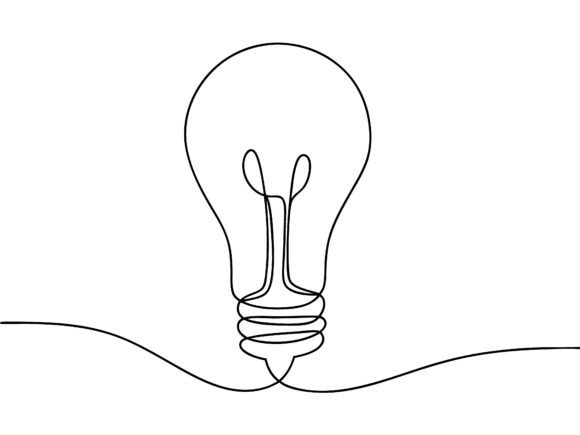
I have spent years reviewing embroidery files for my own small business and for clients who run high-volume craft shops. Usually, when I see a file labeled as a Continuous One Line Art Idea Light Bulb, I expect something geometric or abstract. However, the description reveals a delightful twist: a single continuous black line forming a cute cartoon cat with large, expressive eyes and a playful, swirling tail. This contradiction between the title and the actual visual content is exactly why I decided to test this design before recommending it for any commercial projects.
As an experienced designer, my first impression of this embroidery project was one of curiosity. The concept of a single unbroken line creating a character is visually striking, but in the world of machine embroidery, it presents unique challenges. Does the line hold up under tension? Do the "large, expressive eyes" get lost in the stitching? When I first looked at the vector preview, the stark white background and bold black line suggested a clean, modern aesthetic that would fit perfectly on a tote bag or a baby onesie. It feels less like a generic clip art and more like a piece of contemporary graphic art translated into thread.
Real-World Application: From Screen to Stitch
To truly understand how the Continuous One Line Art Idea Light Bulb performs, I simulated a real-life scenario. Imagine you are an Etsy seller preparing a batch of custom embroidered tote bags for a holiday market. You want something that looks artistic but isn't overly complicated to stitch. This design seemed like the perfect candidate. The single-line style suggests a running stitch or a fine satin stitch path, which could mimic the look of a hand-drawn sketch.
However, putting this embroidery file into the hoop revealed some practical considerations. If the design relies heavily on the continuity of the line to define the cat's shape, the stitch density becomes critical. If the density is too low, the fabric texture might show through, breaking the illusion of a solid line. If it is too high, the fabric could pucker, especially if you are using thin cotton canvas for your tote bags. For a handmade product like a personalized gift, the clarity of the cat's eyes is paramount. In the digital mockup, they look wide and engaging, but in physical form, they need enough fill stitches to pop against the background fabric.
This design shines brightest on structured items where the fabric does not stretch. A sweatshirt embroidery application works well because the heavy knit stabilizes the design, allowing the continuous line to flow without distortion. Similarly, for an embroidered patch, the clean lines help define the edges clearly. But for a cap or hat, the curved surface might distort the swirling tail, making the playful movement look uneven unless the digitization accounts for the curvature of the visor.
Navigating Fabric and Technique Challenges
Not every surface is suitable for this specific type of machine embroidery design. While the design is simple in concept, simplicity can be deceptive in execution. I would advise caution when attempting this on textured fabrics like terry cloth or heavy fleece. The raised loops of the fabric can interfere with the smooth flow of the single line, causing the "cat" to look jagged rather than fluid.
Stretchy fabrics present another hurdle. If you plan to use this for baby embroidery on a jersey onesie, you must ensure you are using a high-quality tear-away or cut-away stabilizer. Without proper support, the continuous line might stretch out of shape during the stitching process, ruining the symmetry of the face. Dark fabrics also require careful consideration. Since the original vector shows a stark black line on white, applying this to a dark shirt means you will likely need a light-colored thread or a significant amount of underlay to make the design visible. The contrast is what makes the design work, so losing that visual punch defeats the purpose of the minimalist style.
Furthermore, small hoop sizes are a potential pitfall. If the design includes tiny details within the eyes or the tip of the tail, shrinking them down to fit a 4x4 inch hoop might result in a muddy mess. The continuous line needs room to breathe. If you are planning to create a boutique branding item, such as a logo on a kitchen towel, ensure the dimensions allow the line to remain crisp. Dense stitch areas should be avoided if the design attempts to create volume; instead, let the negative space do the work.
Visual Appeal and Brand Consistency
When used correctly, the Continuous One Line Art Idea Light Bulb elevates the perceived value of a finished product. Customers today appreciate designs that look intentional and artistic rather than mass-produced. A well-stitched version of this cat design communicates professionalism and attention to detail. It fits seamlessly into a collection of creative entrepreneur assets, whether you are selling digital embroidery files or physical goods.
The playful nature of the cat makes it highly giftable. It works wonderfully for nursery decor, wedding gifts, or holiday embroidery projects where a touch of whimsy is desired. The design's ability to convey emotion through a single stroke creates a strong connection with the viewer. For an Etsy seller, this translates to higher engagement and better reviews, as buyers often comment on the uniqueness of the artwork. It stands out in a sea of complex floral patterns or standard text logos.
Practical Designer Notes for Success
Before you commit to a full production run, there are essential steps to take. First, always test the design on scrap fabric that matches your final material. This allows you to check thread color contrast and inspect small details without risking your inventory. Pay close attention to the transition points where the line changes direction; these are common spots for puckering or thread breaks.
Review the stitch density carefully. If the file uses too many satin stitches for a long, thin line, it may become stiff and uncomfortable on apparel. Consider adjusting the settings to use a combination of satin and running stitches to maintain flexibility. Confirm your hoop size early in the process to ensure the entire design, including the swirling tail, fits comfortably without cutting off parts of the image.
It is also vital to inspect the design in both black and white mockups to ensure the contrast holds up across different lighting conditions. Compare how it looks on light versus dark fabric backgrounds to determine if additional underlay or topstitching colors are needed. Always use a proper stabilizer suited to your fabric weight to prevent distortion.
Finally, confirm the licensing terms before selling finished items or distributing digital products. Some design assets come with restrictions on commercial use, even if you are a small shop owner. Ensure you have the right to sell the final product made from this embroidery project. By following these guidelines, you can transform the Continuous One Line Art Idea Light Bulb from a simple vector into a stunning centerpiece for your next craft business venture.
In conclusion, this design offers a fresh take on character art, blending the charm of a cartoon with the sophistication of line drawing. With the right preparation and understanding of its limitations, it can be a standout addition to your portfolio of graphics and crafts.