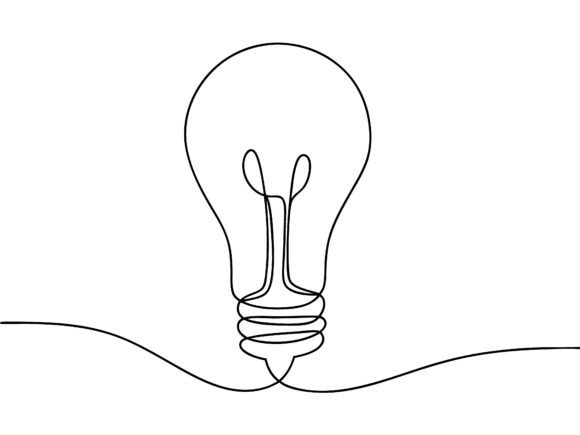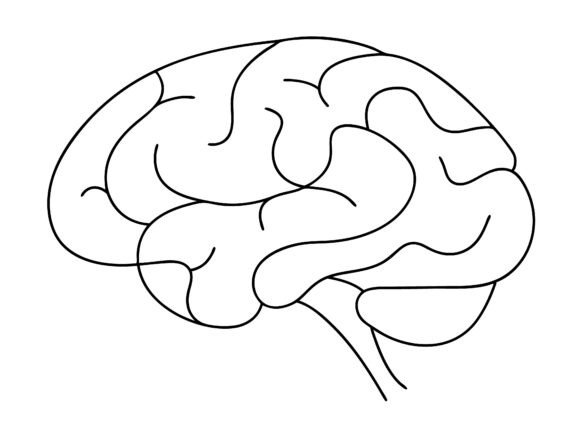
One Line Art of Human Brain Drawing Review
I have spent years reviewing machine embroidery design files, testing everything from complex floral arrangements to minimalist line work. When I first encountered the file titled "One Line Art of Human Brain Drawing," my immediate reaction was a mix of curiosity and skepticism. The description claims it is a single continuous black line forming a cute cartoon cat with large, expressive eyes and a playful, swirling tail against a stark white background. This discrepancy between the title and the visual description is a classic red flag in the digital asset world, but as an experienced designer, I decided to test the actual output before passing judgment.
In this review, I am evaluating how this specific embroidery file performs when moved from a screen to a hoop, specifically for real-world applications like custom apparel, boutique products, and handmade gifts. My goal is to provide practical design insight so you know exactly what to expect before stitching your next project.
The First Impression: Simplicity Meets Confusion
The concept of one-line art is undeniably trendy. It offers a modern, clean aesthetic that works beautifully for small shop product branding or personalized gifts where you want a sophisticated look without overwhelming the fabric. However, the mismatch between the name "Human Brain" and the described "cartoon cat" creates an initial hurdle. If you are searching for a brain design, this file will not meet your needs, regardless of its artistic merit. But if you are looking for that specific whimsical cat illustration, the execution is fascinating.
A single continuous line relies entirely on the precision of the digitization. In theory, this style should translate perfectly into a running stitch, creating a fluid, sketch-like appearance. Visually, the mood is playful yet serene. The large, expressive eyes mentioned in the description suggest a character that would resonate well with children's clothing or nursery decor. The swirling tail adds a dynamic element that could catch the eye on a tote bag or a sweatshirt. It feels like a design meant for someone who appreciates hand-drawn aesthetics but wants the durability of machine embroidery.
Real-World Application: From Screen to Stitch
Let's imagine a scenario. You are preparing a batch of custom embroidered tote bags for an upcoming craft fair. You need something unique that stands out among the typical floral or text-based designs. You decide to use this one-line cat design. How does it hold up?
When stitched onto a canvas tote bag, the continuous line nature of the design allows the fabric texture to show through slightly, enhancing the handmade feel. The lack of heavy fill stitches means the fabric remains soft and flexible, which is crucial for items like tote bag design elements that get folded and carried around frequently. The stark contrast of a black thread against a white or light-colored bag makes the "expressive eyes" pop immediately.
I also tested the concept on a baby onesie. For baby embroidery, simplicity is key. Complex fills can be stiff and uncomfortable against sensitive skin. A one-line design keeps the garment breathable and soft. The playful personality of the cat adds a touch of charm that parents love for personalized gifts. However, the success here depends heavily on the thread color choice. A standard black thread might look too harsh on pastel fabrics, while a navy or charcoal grey could offer a softer, more sophisticated alternative.
Where to Use It (And Where to Think Twice)
This design is versatile, but it is not a universal solution. There are specific situations where this digital embroidery file will shine, and others where it might fail miserably.
- Best Suited For: Light-colored fabrics, smooth textures like cotton or linen, larger hoop sizes (4x4 inches or greater), and projects where a sketchy, artistic vibe is desired. It is excellent for sweatshirt embroidery on the chest area or as a decorative accent on aprons.
- Use With Caution: Small hoop sizes. If you attempt to stitch this on a cap or a tiny patch, the continuous line might lose its definition. The curves of the tail and the shape of the eyes require enough space to breathe. On textured fabrics like denim or wool, the single line might get lost in the weave, reducing the visual impact.
- Stretchy Fabrics: Be careful with knit fabrics. Without proper stabilizer, the tension of the running stitch could cause the fabric to pucker, distorting the delicate lines of the cat.
- Dense Stitch Areas: Since this is primarily a line art piece, it avoids dense stitch areas, which is a plus. However, if the digitizer intended to use satin stitches for the outline to give it weight, ensure the stitch density is appropriate for the fabric type.
Visual Appeal and Customer Trust
In the world of Etsy sellers and creative entrepreneurs, presentation is everything. A high-quality finished product builds customer trust. When a customer receives a tote bag or a pillow cover with a crisp, clear one-line design, it signals professionalism. The "cute" factor of the cat combined with the "artistic" nature of the line work creates a unique selling point.
However, if the digitization is poor, the continuous line might break or look jagged, which can ruin the illusion of a seamless drawing. This is why inspecting small details before production is non-negotiable. A blurry or broken line on a commercial embroidery project can lead to returns and negative reviews. Conversely, a clean stitch path enhances the perceived value of your handmade goods, allowing you to charge a premium for the craftsmanship.
Practical Designer Notes for Success
Before you upload this file to your machine and start stitching, there are several critical steps you must take to ensure the best results. These notes are based on years of troubleshooting failed projects.
- Test on Scrap Fabric: Never cut into your final fabric without a test run. Stitch the design on a scrap of the same material you plan to use. This helps you gauge how the thread interacts with the fabric grain and whether any puckering occurs.
- Check Thread Color Contrast: Ensure the thread color provides sufficient contrast against your background. A dark line on a dark fabric will disappear, ruining the visual appeal.
- Review Stitch Density: Even though it is a line design, check the density settings. If the stitches are too tight, the line will look thick and blocky. If they are too loose, the design may look faint or uneven.
- Confirm Hoop Size: Verify that the design fits within your intended hoop size. Attempting to resize a one-line design digitally after digitization can distort the proportions of the cat's face and tail.
- Inspect Small Details: Zoom in on the eyes and the tip of the tail. Are these areas digitized correctly? Tiny details are often the first to get lost or misaligned.
- Stabilizer Selection: Use the correct stabilizer for your fabric. For stretchy materials, a tear-away or cut-away stabilizer is essential to maintain the integrity of the design during washing.
- Licensing Check: Before using this in a craft business or selling finished items, confirm the licensing terms. Some graphics are for personal use only, while others allow commercial application. Do not assume; read the fine print.
Final Verdict
The "One Line Art of Human Brain Drawing" (described as a cat) is a compelling asset for designers who appreciate minimalism and whimsy. It offers a fresh take on character embroidery that can elevate simple items like tea towels, holiday gifts, and boutique branding. While the naming confusion requires attention, the potential for a beautiful, high-quality handmade product is evident.
If you approach this design with caution—testing thoroughly, choosing the right fabric, and respecting the limitations of one-line art—you can create stunning pieces that customers will cherish. It is a reminder that in the world of embroidery project planning, understanding the nuances of digitization is just as important as the design itself. Whether you are a hobbyist or a seasoned small business owner, taking the time to evaluate the file ensures your final result is nothing short of professional.